Physical Address
304 North Cardinal St.
Dorchester Center, MA 02124
Physical Address
304 North Cardinal St.
Dorchester Center, MA 02124


A practical guide to choosing a console table with shelves based on room size, storage needs, materials, style, and placement.
A console table with shelves is one of the most versatile pieces of furniture you can add to a home. It can anchor an entryway, fill an empty wall, sit neatly behind a sofa, or provide stylish storage in a hallway, bedroom, or dining area. The best designs do more than look good. They create order, improve flow, and make everyday essentials easier to access.
If you are trying to find the right fit, the decision goes beyond color and shape. You need to consider dimensions, shelf function, room layout, materials, durability, and how the table supports the way you live. This guide explains exactly how to choose the ideal console table with shelves for any room, whether you need a small console table with shelves for a compact apartment or an extra long console table with shelves for a large open space.
Standard console tables offer a top surface, but a model with shelving gives you much more flexibility. Open lower shelves can hold baskets, books, decorative boxes, storage bins, shoes, plants, or folded linens. In rooms where storage is limited, that extra capacity matters.
A well-designed console table with storage and shelves combines display and function in one narrow footprint. That makes it especially useful in spaces where bulkier furniture would feel too heavy or restrict movement. It can work as a visual statement, an organizational tool, or both.
The first step is to identify what you need the table to do. Furniture selection becomes much easier when function leads the decision.
In an entry, prioritize convenience and organization. Shelves are ideal for baskets that collect gloves, pet leashes, umbrellas, and daily clutter. If your entry is small, a small console table with shelves can provide practical storage without blocking the path.
In a living area, the console often serves both decorative and practical roles. You may want shelves for books, trays, candles, framed photos, or hidden bins. If the table sits along a wide wall, a long console table with shelves can make the room feel balanced and complete.
A behind couch console table with shelves is especially useful in open-concept spaces. It can separate the seating area from a dining room or walkway while offering a home for lamps, drinks, remotes, and baskets underneath. Look for a height that aligns comfortably with or slightly below the sofa back for the most cohesive appearance.
In tight corridors, depth is critical. A slim console with open shelving keeps the space from feeling closed in. Avoid heavy bases or bulky side panels in narrow areas.
If you are furnishing a broad wall or oversized space, a standard console may appear too short. In that case, an extra long console table with shelves helps fill the room proportionally and offers more surface and storage capacity.
One of the most common furniture mistakes is focusing on style first and dimensions second. With a console table, even a few inches can affect flow and function. Always measure carefully before making a choice.
Consider the wall or area where the table will sit. You want enough width to create presence without making the piece feel squeezed into place. For expansive walls, a long console table with shelves often looks more intentional than a short table floating awkwardly in the middle.
Depth matters most in hallways, entryways, and behind sofa placements. Many homeowners underestimate how much floor space a deeper table can consume. In high-traffic zones, a slim profile generally works best.
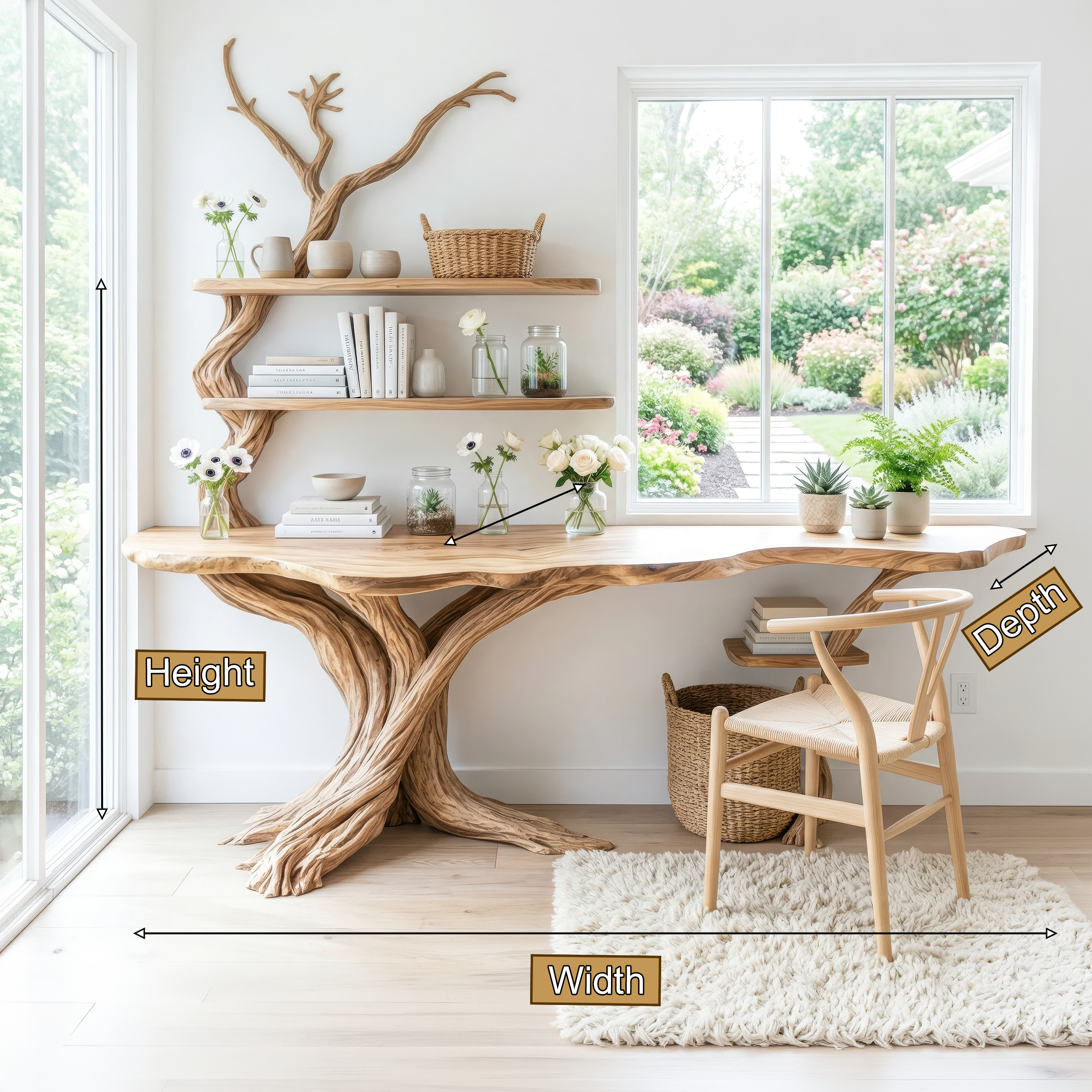
Most console tables fall within a standard range, but the right height depends on surrounding furniture. Behind a sofa, aim for a table that is close to the back height of the couch or slightly lower. In an entryway, choose a height that feels convenient for setting down bags, keys, and mail.
Leave enough room for comfortable movement around the table. A beautiful console is not useful if it turns a hallway into a tight squeeze or makes a living room harder to navigate.
Not all shelving serves the same purpose. The best option depends on what you plan to store and how visible you want those items to be.
Open shelves create an airy look and are ideal for styling. They are perfect for baskets, stacked books, decorative bowls, and folded throws. A console table with shelves underneath can make a room feel more layered and useful without adding visual heaviness.
Two or three tiers give you more organizational zones. This is useful if you want one shelf for décor and another for practical items. In family homes, multiple levels can help separate adult display items from everyday essentials.
A single broad lower shelf works well for larger baskets or storage boxes. This is often the best choice for entryways and living rooms where concealed organization matters.
Some consoles combine shelves with drawers. If you need a place for small items like keys, chargers, or paperwork, a mixed-format console table with storage and shelves may be the most practical option.
A console should support the style of the room rather than compete with it. Shelving adds visual detail, so consider how materials, finish, and silhouette work with your décor.
A wood console table with shelves is a classic choice because it suits nearly every design style. Lighter woods feel airy and Scandinavian-inspired, medium tones feel timeless and transitional, and darker woods create depth and formality.
Metal frames with shelf inserts often feel sleek and structured. Black metal paired with wood shelves is especially popular because it balances warmth with a clean architectural look.
If your room is small or already full of texture, glass shelves or a glass top can keep the space from feeling too heavy. However, glass may require more maintenance and is less forgiving in homes with children or pets.
White, cream, soft gray, or muted blue finishes work beautifully in farmhouse, cottage, and coastal homes. These colors can brighten an entryway or soften a darker room.

The table silhouette affects how the room feels. Some shapes are better for softening a space, while others emphasize clean lines and symmetry.
This is the most common and versatile shape. It works well in entryways, hallways, dining rooms, and living rooms, especially when you want a strong horizontal line.
If your room contains many hard edges, a console with softened corners or rounded legs can make the space feel more approachable.
These are ideal when you want storage without visual bulk. In smaller homes, a slim open-frame console table and shelves arrangement often feels lighter than a solid wood block-style table.
Beautiful furniture should also suit real life. Think about who uses the room, how often the table will be touched, and whether the surface needs to withstand moisture, scratches, or daily wear.
If the table will sit in a busy family zone, prioritize finishes that resist visible wear. Textured wood grain, matte finishes, and darker metal frames often hide everyday use better than glossy surfaces.
Many shoppers start with a general idea of style but not the exact size they need. Breaking the decision into size categories can help narrow the search quickly.
A small console table with shelves is ideal for apartments, compact entryways, narrow hallways, or bedrooms. Look for a slim depth and efficient shelving that supports baskets or small décor without taking over the room.
A long console table with shelves suits wider walls, living rooms, and dining areas. It gives you more styling room on top and more space below for books, storage bins, or decorative groupings.
An extra long console table with shelves is best for oversized rooms, large sectionals, expansive hallways, or open-concept spaces that need furniture with visual weight. It can also work well in commercial-style home interiors or lofts where standard proportions feel undersized.
Once you choose the right table, styling helps it look finished and intentional. The goal is to balance function with visual appeal.
Use height variation to create interest. A lamp, vase, framed art, or mirror above the table can anchor the arrangement. Add one or two smaller items, such as a tray, candle, or decorative bowl, to keep the surface practical but not cluttered.

The shelves underneath should support the room’s purpose. In an entryway, baskets are both attractive and useful. In a living room, try stacks of books, ceramic objects, or woven bins. Avoid overfilling every shelf; empty space helps the piece feel curated.
A console often looks best when paired with a mirror, art print, or gallery wall. This creates vertical balance and turns the table into a complete focal point.
Place the table where it welcomes guests without interrupting the path. Add a lamp or mirror, then use a console table with shelves underneath for baskets and daily essentials.
A console against an empty wall can hold books, lighting, and decorative accents. If your room feels unfinished, a console table with storage and shelves can add the missing layer of depth.
A behind couch console table with shelves is one of the smartest ways to use dead space in an open floor plan. It offers a surface for lighting and drinks while keeping baskets or books tucked neatly below.
Use the table as a sideboard alternative. Shelves can hold serving bowls, pitchers, folded linens, or seasonal décor.
In a bedroom, a console can work as a display ledge, vanity substitute, or elegant storage piece at the foot of a wall. Add baskets below for extra blankets or accessories.
Even a beautiful table can disappoint if it is not chosen thoughtfully. Watch for these common issues:
The most successful console table and shelves setup blends utility with design. Open shelving should not become random storage. Use matching baskets, edited decorative objects, and a limited color palette to keep the look cohesive. If you need more hidden organization, choose bins that complement the table’s material and finish.
Think of the console as both furniture and architecture. It shapes the room visually while solving practical problems. When chosen well, it makes a home look more intentional and work more efficiently.
To choose the right console table with shelves, start with your room size, layout, and storage needs. Then narrow your options by dimensions, material, finish, and shelf design. A compact room may need a small console table with shelves, while a broad wall may call for a long console table with shelves or even an extra long console table with shelves. If the piece will sit behind a sofa, prioritize proper height and slim depth for a functional behind couch console table with shelves.
For timeless versatility, a wood console table with shelves remains one of the strongest choices. It offers warmth, durability, and broad style compatibility. Most importantly, choose a piece that supports how you actually use the room. The perfect console is not just attractive. It improves storage, enhances flow, and helps your space feel complete.
When you focus on proportion, purpose, and practical shelf use, you will be able to select a console table that looks right, works hard, and fits beautifully into any room of your home.