Physical Address
304 North Cardinal St.
Dorchester Center, MA 02124
Physical Address
304 North Cardinal St.
Dorchester Center, MA 02124

Learn how to organize a tree bookshelf effectively with room-by-room ideas, sizing tips, and practical systems that improve storage and style.
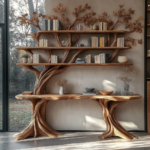
A well-designed tree bookshelf can do far more than hold books. It can turn an empty corner into a focal point, improve access to everyday reading materials, and create vertical storage without consuming much floor space. But while the silhouette is stylish, organizing it effectively requires a different approach than organizing a traditional bookcase. The angled branches, compact shelves, and narrow footprint mean every section must be used with intention.

This guide explains how to build organization systems that truly work with a tree bookshelf. Whether you are styling a wooden tree bookshelf in a living room, fitting a small tree bookshelf into a tight apartment, or making a tall tree bookshelf function in a bedroom, the goal is the same: create a setup that looks clean, feels balanced, and stays practical over time.
A standard bookshelf usually relies on long horizontal shelves and straightforward categories. A tree bookshelf, by contrast, is vertical and segmented. Its shape invites visual creativity, but it also limits how many books or decor pieces each branch can hold. That means organization must account for three priorities at once: weight distribution, visual balance, and ease of access.
The best systems for a tree bookshelf start by recognizing its strengths:
Because of those strengths, a tree bookshelf performs best when organized as a display-storage hybrid rather than as a bulk book repository.
Before organizing, make sure the shelf format suits the room and your storage goals. Choosing the wrong size or shape often causes overcrowding later.
A wooden tree bookshelf is one of the most versatile options because wood blends easily with modern, rustic, Scandinavian, transitional, and classic interiors. It is especially useful when you want the bookshelf to look like furniture rather than novelty storage. In organization terms, wood also visually softens tightly packed books, making a full shelf look intentional instead of busy.
A small tree bookshelf works best when you want a compact reading station or an accent piece. It is ideal for apartments, kids’ spaces, entry corners, and bedside use. Because capacity is limited, organization should focus on active-use books, not entire collections.
A tall tree bookshelf maximizes wall height and is excellent for collectors who need more vertical storage. The challenge is maintaining visual stability. The lower shelves should carry the heaviest books, while upper shelves should hold lighter books or decorative elements. This creates both literal and visual support.
A narrow tree bookshelf is ideal for small homes, hallways, home offices, and slim corners that cannot accommodate wide furniture. The key with narrow designs is disciplined editing. Every shelf should serve a purpose, because there is little room for items that do not contribute to function or style.
A tree bookshelf for bedroom should support calm, low-clutter organization. In bedrooms, the best systems include a mix of current reads, journals, soft decor, and a small number of meaningful objects. A bedroom tree bookshelf should feel restful, not overfilled.
Below are the most effective systems for keeping a tree bookshelf organized over the long term. In most homes, the strongest result comes from combining two or three of these methods rather than relying on a single approach.
This is the most practical organizational method for everyday life. Arrange books based on how often you use them.

This method works especially well for a tree bookshelf for bedroom or reading nook, where access matters as much as appearance.
A tree bookshelf remains most stable and attractive when heavier books are positioned lower and lighter books higher up. This is particularly important with a tall tree bookshelf. Hardcovers, large art books, and textbooks should anchor the bottom branches. Paperbacks, magazines, and smaller decorative items belong higher up.
This system prevents the shelf from looking top-heavy and also reduces strain on upper supports.
If your collection includes multiple genres or family members share the same shelf, use grouped clusters rather than trying to alphabetize across irregular branches. For example:
Grouping by category makes a tree bookshelf much easier to maintain because books naturally return to their assigned zones.
One reason a tree bookshelf looks cluttered quickly is that every branch is visible. To avoid visual overload, alternate dense sections with open space. For example, fill one branch with books, leave the next lightly styled with one object, then return to books again. This creates rhythm and helps the silhouette stand out.
This approach is highly effective for a tree bookshelf for living room, where styling matters just as much as storage.
If your shelf is small, do not try to display everything at once. Instead, rotate books monthly or seasonally. Keep current interests on display and move the rest to closed storage elsewhere. A small tree bookshelf benefits enormously from this method because it allows the shelf to stay fresh without becoming overcrowded.
If you are starting from scratch, use this sequence to create a system that remains easy to maintain.
Remove all books, decor, and miscellaneous items. This gives you a clear look at the shelf shape and helps you plan branch by branch.
Create simple categories such as:
At this stage, remove anything that no longer belongs on open display.

This is non-negotiable for both safety and aesthetics. The bottom third of the bookshelf should contain your heaviest or tallest books.
The center area should hold books you reach for often. That may include novels you are currently reading, work references, or bedtime books.
Do not fill every branch. Leave some room between groups. Open space improves readability, keeps the tree shape visible, and prevents the shelf from looking chaotic.
A tree bookshelf already has a sculptural form. It usually needs less styling than a conventional bookcase. One small plant, a candle, or a framed photo can be enough. Too many accessories reduce function and hide the structure.
Open a book, remove one from the lower shelf, put it back, and reach for the top. If any branch feels awkward or overloaded, refine the layout immediately.
A tree bookshelf for living room often serves both decorative and practical purposes. Here, the best organization system combines category grouping with visual rhythm. Use the shelf to display favorite books, a few coffee-table-size titles, and limited decor accents.
Best practices for the living room include:
In a formal space, restraint creates a more elevated result than over-styling.
A tree bookshelf for bedroom should feel soft and functional. Store bedtime reading, journals, calming decor, and perhaps a small speaker or diffuser nearby. Avoid using it as overflow storage for random items like chargers, receipts, or beauty products unless integrated into a basket placed beside the unit.
For bedroom organization:
In a workspace, a narrow tree bookshelf is especially useful because it can fit next to a desk without crowding the room. Organize it by project type, subject, or frequency of use. Keep active work resources in the middle zone, archived references lower down, and display items or awards on top.
A small tree bookshelf can work beautifully in a child’s room if the lower branches are accessible. Face books outward where possible, organize by reading level or theme, and avoid fragile decor. Safety anchoring is essential in children’s spaces.

Even a beautiful bookshelf can fail if it is organized without intention. Here are the most common errors to avoid:
A tree bookshelf works best when curated, not stuffed.
The answer depends on the size, material, and branch depth, but as a rule, less is usually more. A wooden tree bookshelf can often support a satisfying mix of books and decor while still showing off its shape. Rather than measuring success by capacity, measure it by usability. Can you see the titles? Can you reach them easily? Does the shelf still look balanced from across the room?
If not, remove 15 to 20 percent of the contents and reassess. Most shelves improve immediately after light editing.
Good styling is not separate from good organization. In fact, the right visual choices help maintain order because they make disarray more obvious.
If your main goal is storage efficiency, prioritize shelf depth, branch spacing, and overall stability over novelty. Here is a simple way to choose:
Matching the shelf to your actual habits is more important than choosing the most visually dramatic model.
The best organization systems are easy to maintain. Once your tree bookshelf is arranged, use these habits to keep it functional:
These small routines prevent clutter from building up and preserve the clean architectural effect of the shelf.
A tree bookshelf is one of the smartest ways to combine vertical storage with decorative appeal, but it only reaches its full potential when organized intentionally. Whether you prefer a wooden tree bookshelf for a sophisticated living area, a small tree bookshelf for compact spaces, a tall tree bookshelf for maximum storage, or a narrow tree bookshelf for tight layouts, the principles remain the same: place heavier items low, keep frequently used books accessible, preserve negative space, and style with restraint.
For anyone choosing a tree bookshelf for bedroom or a tree bookshelf for living room, the most effective approach is to think beyond storage alone. Organize it as a curated system that supports the room’s purpose, complements the design, and makes daily life easier. When done well, a tree bookshelf does not just hold books. It improves the entire room.