Physical Address
304 North Cardinal St.
Dorchester Center, MA 02124
Physical Address
304 North Cardinal St.
Dorchester Center, MA 02124


Discover space-saving floating bathroom vanity concepts that bring modern style, warm wood texture, and practical storage to small bathrooms.
A floating bathroom vanity is one of the smartest upgrades for a small modern bathroom. By lifting the cabinet off the floor, this design creates a clean visual line, opens up valuable sight space, and gives the room a lighter, more refined feel. In compact homes, condos, and guest baths, the right bathroom vanity can make the entire space feel larger while still delivering the storage and function you need every day.
Beyond its minimalist appearance, a floating bathroom vanity offers practical benefits. It makes floor cleaning easier, supports better traffic flow in tight layouts, and pairs beautifully with contemporary materials such as stone, glass, brass, matte black hardware, and warm woods. Whether you want a spa-inspired retreat or a sleek urban look, there are many ways to integrate a bathroom vanity into a small modern space without sacrificing style.
Small bathrooms benefit from any design choice that reduces visual bulk. Traditional vanities can feel heavy, especially when they stretch to the floor and consume every inch beneath the sink. A floating bathroom vanity avoids that problem by exposing more floor area, which naturally makes the room appear more open.
This effect becomes even stronger when the vanity is paired with large-format tile, wall-mounted faucets, frameless mirrors, and good lighting. The combination supports a calm, uncluttered look that is central to modern bathroom design. For homeowners seeking a high end bathroom vanity aesthetic, floating construction is often the first step toward a more custom, architectural appearance.
Material selection is critical when choosing a bathroom vanity for a moisture-prone environment. In small bathrooms, every surface is more visible, so quality craftsmanship and finish matter even more. Wood vanities remain especially popular because they soften modern lines and add natural warmth to tile-heavy rooms.
A solid wood bathroom vanity can bring durability and timeless character, while premium species such as teak and oak offer moisture resistance and beautiful grain. If you want a richer designer look, a teak bathroom vanity is a standout option. Teak has long been valued for its natural oils, dimensional stability, and luxurious appearance, making it ideal for upscale bathroom settings.
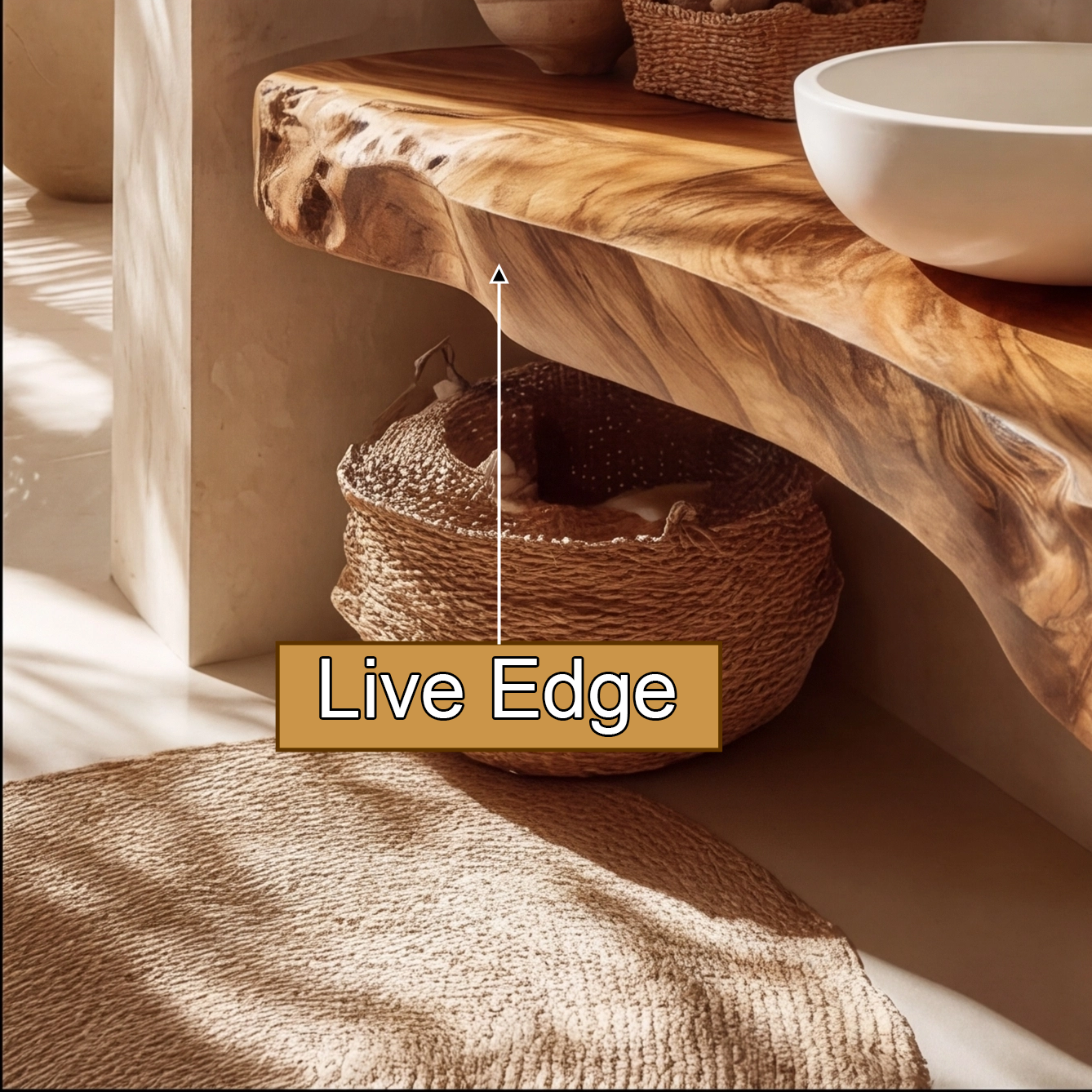
A white oak bathroom vanity is another excellent choice for modern spaces. White oak features subtle grain and a sophisticated light tone that works beautifully in Scandinavian, Japandi, coastal, and minimalist interiors. For homeowners who prefer texture and one-of-a-kind detail, a live edge bathroom vanity can introduce organic form while still feeling contemporary when combined with clean hardware and a simple sink profile.
The best floating bathroom vanity ideas balance proportion, storage, and visual simplicity. In a small modern bathroom, the vanity should feel intentional rather than oversized. Here are several design concepts that work especially well.
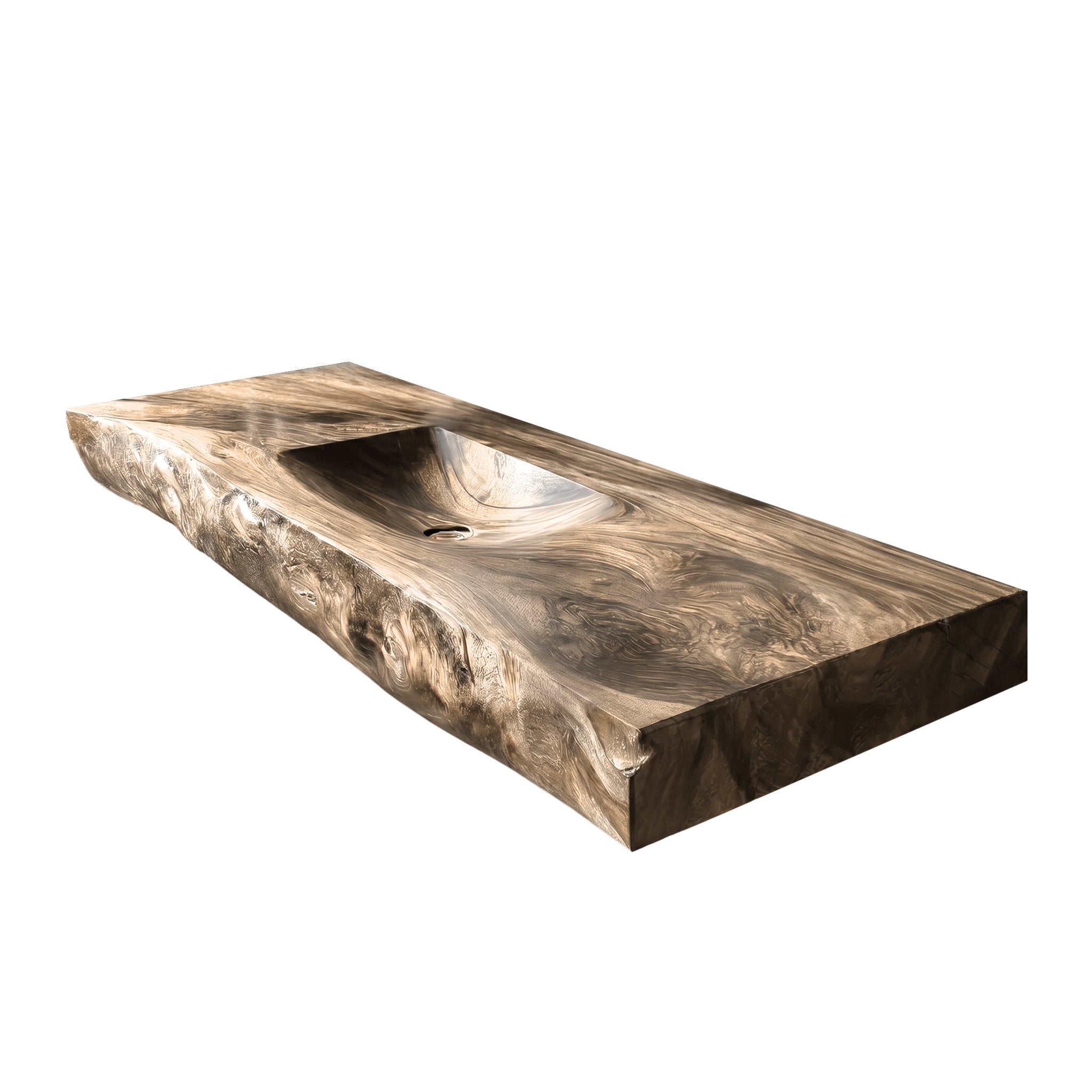
A compact single-sink bathroom vanity is ideal for powder rooms and narrow primary bathrooms. Choose a wall-mounted cabinet with drawers rather than doors to maximize storage efficiency. Deep drawers with organizers can hold grooming tools, toiletries, and cleaning essentials without creating clutter on the countertop.
A natural wood bathroom vanity introduces warmth without overwhelming a small room. Pair it with a white solid-surface countertop, integrated sink, and warm metal fixtures for a balanced modern look. This approach is especially effective in bathrooms that rely on white walls, gray tile, or black accents.
In some layouts, a floating vanity can still support two sinks without looking bulky. A double sink wood bathroom vanity with a streamlined profile, thin countertop, and wall-mounted faucets can serve couples or family bathrooms efficiently. The key is to keep the cabinet visually light and avoid ornate detailing. A double sink wood bathroom vanity works best when storage is divided into symmetrical drawers to preserve a clean appearance.
If your goal is a high end bathroom vanity style, combine a wood floating base with a premium stone top such as quartz, marble-look porcelain, or natural stone. The contrast between natural grain and polished stone adds depth and elevates the room instantly.
A live edge bathroom vanity can become the focal point in a small bathroom when used thoughtfully. Because the vanity shape itself carries strong character, keep the surrounding palette restrained. Choose a vessel sink or a simple undermount sink, a frameless mirror, and understated sconces to let the wood edge stand out.
One concern homeowners sometimes have is whether a floating bathroom vanity can offer enough storage. In reality, smart interior planning often makes these vanities more efficient than traditional options. Since modern floating designs are usually custom or semi-custom in feel, they can be tailored to your specific needs.
A solid wood bathroom vanity with sink can be designed with sleek drawer fronts that conceal substantial storage while maintaining a minimalist façade. In very small bathrooms, even a narrow drawer stack can make a major difference in keeping surfaces clean and organized.

Not all wood vanities perform equally in a bathroom environment. A well-made solid wood bathroom vanity should be properly sealed and engineered to handle humidity changes. Species selection, joinery quality, and finish all influence longevity.
A teak bathroom vanity is often considered a premium investment because of its excellent moisture resistance and upscale appearance. White oak is another strong contender thanks to its density and modern, designer-friendly tone. When shopping for a solid wood bathroom vanity with sink, pay attention to details such as dovetail drawers, marine-grade finishes, and quality hardware that can withstand daily use.
For homeowners seeking a more artisanal look, a natural wood bathroom vanity or live edge bathroom vanity should be finished carefully to protect the material while preserving grain and texture. These pieces often work best as statement furniture-style vanities in powder rooms or boutique-style primary baths.
The sink you select affects both function and visual impact. In small bathrooms, integrated or undermount sinks are often the most practical because they preserve usable counter space and support easy cleaning. A solid wood bathroom vanity with sink can look especially polished when paired with a crisp white integrated basin.
Vessel sinks can work too, but they are usually better in bathrooms where statement design takes priority over maximum counter efficiency. For shared spaces, a double sink wood bathroom vanity should include enough clearance between basins so each user has practical elbow room.
Color plays a major role in helping a floating bathroom vanity feel appropriate for a compact room. Lighter woods and natural finishes tend to make bathrooms feel more open. That is one reason the white oak bathroom vanity continues to trend strongly in modern design. Its soft tone reflects light well and works with a broad range of materials.
Darker woods can also be successful, particularly in bathrooms with strong lighting and bright surfaces to create contrast. A teak bathroom vanity, for example, brings rich warmth and luxury, especially when matched with creamy stone counters and brushed brass details.
If you want a serene look, consider these combinations:
A high end bathroom vanity design is usually less about excess and more about precision. Clean installation, premium materials, and integrated details create the luxury effect. For a small bathroom, focus on a few impactful choices rather than trying to add too many decorative elements.
Consider upgrading with:
Even a modestly sized bathroom vanity can look luxurious when proportions are refined and finishes are coordinated. A solid wood bathroom vanity or solid wood bathroom vanity with sink can easily become the visual anchor of the room when paired with premium lighting and hardware.
While floating vanities are ideal for small bathrooms, poor planning can reduce their impact. Avoid choosing a vanity that is too deep for the room, as this can interrupt circulation. Be cautious with bulky countertop edges, oversized vessel sinks, or dark finishes in low-light spaces. These choices may make a compact bathroom feel tighter than it is.
It is also important to confirm that wall framing and mounting support are adequate, especially for a heavy solid wood bathroom vanity or stone-topped unit. Professional installation helps ensure both safety and the crisp suspended look that defines the design.
A floating bathroom vanity is one of the most effective ways to modernize a small bathroom while improving how the space feels and functions. Its elevated form creates openness, supports easier cleaning, and blends naturally with today’s minimalist interiors. Whether you prefer a natural wood bathroom vanity, a refined white oak bathroom vanity, a bold live edge bathroom vanity, or a luxurious teak bathroom vanity, the right choice can transform a compact room into a highly functional retreat.
For the best results, prioritize quality materials, thoughtful storage, and clean installation. From a compact single-sink setup to a streamlined double sink wood bathroom vanity, there is a floating solution for nearly every small modern bathroom. When designed well, a bathroom vanity is not just a practical fixture. It becomes a defining architectural feature that brings warmth, elegance, and lasting value to the home.