Physical Address
304 North Cardinal St.
Dorchester Center, MA 02124
Physical Address
304 North Cardinal St.
Dorchester Center, MA 02124

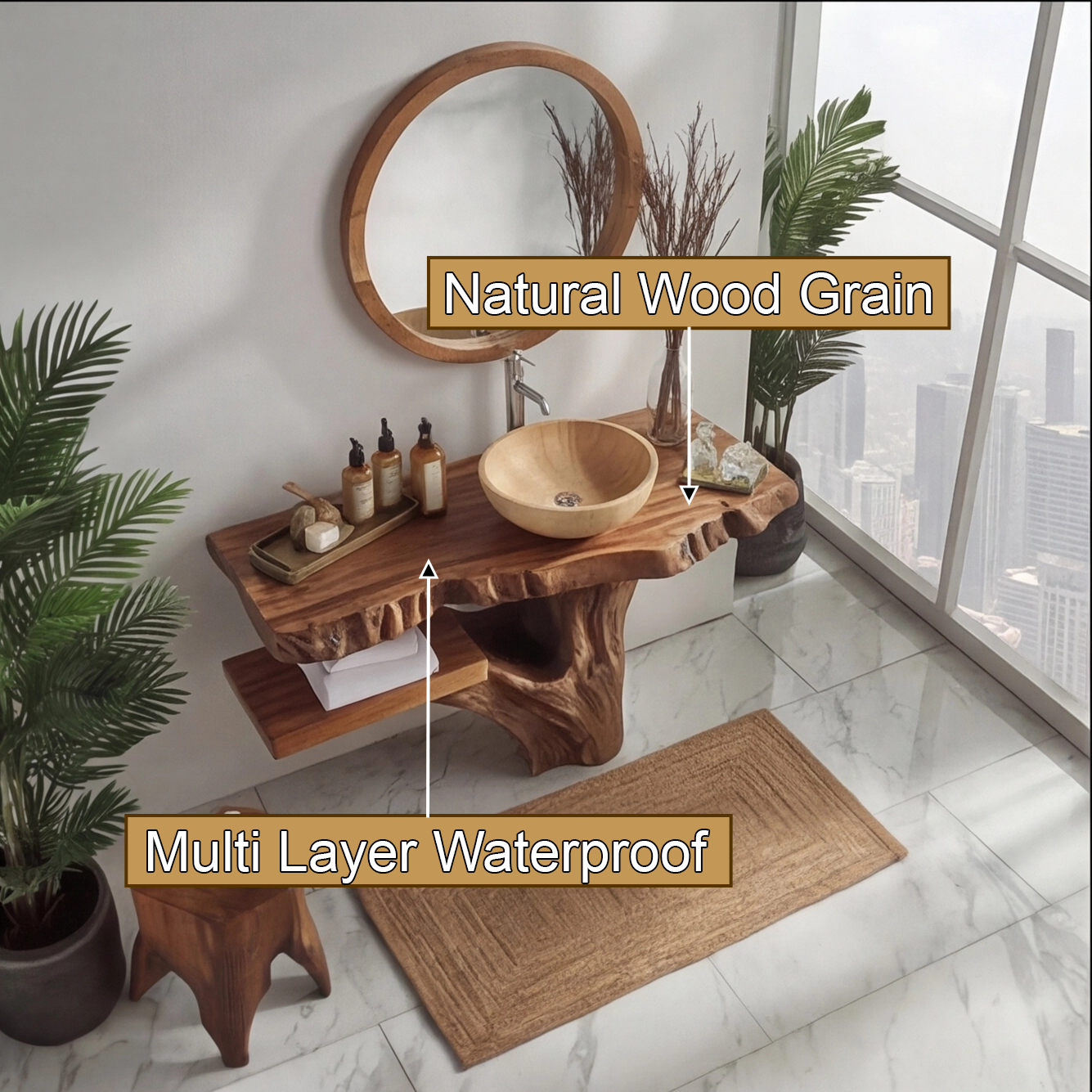
Explore black bathroom vanity ideas that blend bold color, warm wood, and modern design to create a sophisticated bathroom with lasting appeal.
A black bathroom vanity can transform an ordinary bathroom into a space that feels dramatic, polished, and intentionally designed. Whether your style leans minimalist, rustic, luxurious, or spa-inspired, the right bathroom vanity in a black finish creates contrast, anchors the room, and highlights surrounding materials like stone, tile, brass, and wood. For homeowners seeking a bold yet timeless upgrade, black is one of the most versatile vanity colors available.

Unlike trends that fade quickly, a black bathroom vanity offers visual depth and design flexibility. It can feel crisp and contemporary in a clean-lined room, moody and elegant in a luxury primary bath, or warm and organic when paired with natural textures. From a japandi bathroom vanity to an organic modern bathroom vanity, from a teak bathroom vanity to a live edge bathroom vanity, black works beautifully across aesthetics when balanced with the right finishes.
This guide explores black bathroom vanity ideas that deliver sophisticated bathroom style while staying practical for everyday use. If you are selecting a new bathroom vanity for a remodel or planning a custom project, these ideas will help you create a bathroom that feels both bold and beautifully composed.
A black vanity is often chosen for its dramatic appearance, but its appeal goes beyond color alone. In bathroom design, black serves as an anchor. It gives the eye a place to settle, which can make the room feel more structured and high-end. Lighter walls, mirrors, countertops, and floors stand out more clearly against a dark vanity, creating a layered and curated look.
Another reason black is so effective is that it pairs well with nearly every material palette. White quartz feels sharp and classic. Marble adds luxury. Oak, walnut, and teak bring warmth. Matte black hardware creates a seamless modern finish, while brass and brushed nickel add contrast. This adaptability makes a black bathroom vanity an excellent choice for both compact powder rooms and expansive primary bathrooms.
Practicality also matters. Black can visually conceal minor scuffs better than bright white finishes, especially in busy family bathrooms. When finished correctly, it offers a durable and refined surface that supports daily use while still looking elevated.
Not every black bathroom vanity will create the same effect. The right selection depends on your bathroom size, layout, storage needs, and overall style direction. Start by thinking about scale. In a smaller room, a floating vanity or open-base design can keep the space feeling airy. In a larger room, a substantial freestanding wood bathroom vanity in black can provide strong visual balance.
Storage is equally important. Drawers are ideal for organizing everyday items like grooming tools and cosmetics, while cabinet doors can hide bulkier supplies. Double-sink layouts work well in shared bathrooms, but a single larger sink can provide more counter space if function is the priority.
Finish also matters. Matte black feels softer and more contemporary, while satin or semi-gloss black can reflect more light and lean slightly more formal. If you want a black bathroom vanity with warmth and texture, combining black with wood elements is one of the best approaches.
One of the strongest bathroom design trends today is the pairing of black with natural wood. This combination balances boldness with warmth, helping a dark vanity feel grounded rather than heavy. A natural wood bathroom vanity with black framing, black drawer fronts, or black hardware can bridge modern and organic design styles with ease.
Wood tones soften the visual impact of black and introduce texture that makes the bathroom feel more welcoming. White oak offers a light and airy contrast, walnut adds richness, and teak brings a spa-like quality that works especially well in moisture-prone environments. In many homes, this blend of black and wood creates a bathroom that feels custom, architectural, and highly intentional.
If you want a vanity that feels unique, a custom wood bathroom vanity with black detailing allows you to tailor proportions, storage, sink placement, and finish combinations to the room. This route is especially valuable when designing around unusual layouts or when you want a one-of-a-kind focal point.
A japandi bathroom vanity combines Japanese simplicity with Scandinavian warmth. The result is calm, minimal, and highly functional. While this style is often associated with lighter woods, black can play a beautiful role when used thoughtfully. A black vanity in a Japandi-inspired bathroom should emphasize clean lines, visual restraint, and natural materials.
Consider a low-profile vanity with flat-panel drawers, integrated pulls, and a simple stone top. Pair it with warm wood accents, a round mirror, soft textured towels, and subtle lighting. The black finish adds depth, while the rest of the room keeps the atmosphere serene. This approach works particularly well in bathrooms where you want sophistication without excess ornamentation.
For an authentic Japandi effect, avoid clutter and let craftsmanship speak. A bathroom vanity in black oak veneer or painted wood with a slim silhouette can feel deeply refined when combined with creamy plaster walls, brushed metal fixtures, and restrained styling.
An organic modern bathroom vanity blends contemporary forms with earthy textures and natural finishes. This is one of the best design directions for a black bathroom vanity because it allows dark tones to feel soft, sculptural, and inviting rather than stark. Organic modern bathrooms often include stone, wood, handmade tile, and curved mirrors, all of which complement black beautifully.
Choose a vanity with simple geometry and tactile materials. A black base topped with travertine or white quartz can create a clean but lived-in feel. Add wood shelving, linen window treatments, and ceramic accessories to make the room feel layered. In this setting, a bathroom vanity becomes more than a storage unit; it becomes part of a holistic material palette.
An organic modern bathroom vanity may also incorporate mixed finishes, such as black cabinetry with slatted wood drawer fronts or open wood shelving below. These details bring movement and warmth to the design while maintaining a sophisticated edge.
A teak bathroom vanity is an excellent option for anyone drawn to black but concerned about making the room feel too dark. Teak naturally offers rich warmth, strong grain, and excellent moisture resistance, making it a favorite in luxury bathroom design. When combined with black finishes, teak creates a balanced look that feels both grounded and upscale.
You might choose a black vanity body with teak drawer faces, a teak countertop detail, or teak shelving integrated into the base. Another striking option is a mostly teak bathroom vanity accented with black legs, black framing, or black hardware. This combination works particularly well in bathrooms inspired by boutique hotels or high-end spas.
To complete the look, pair a teak and black bathroom vanity with soft neutral walls, stone vessel sinks, and warm metallic accents. The result is a room that feels restorative, sophisticated, and rich in natural character.
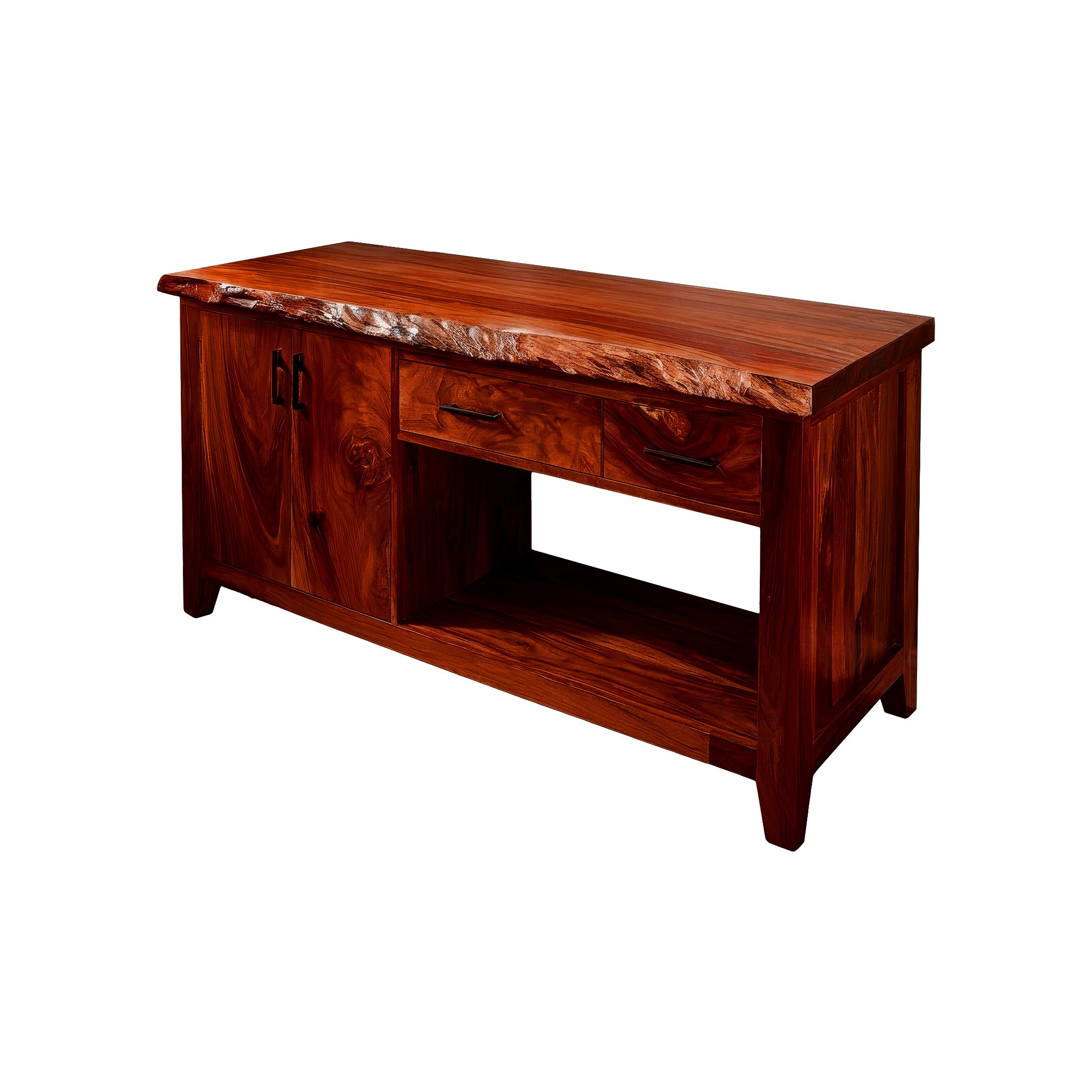
A freestanding wood bathroom vanity has a furniture-like presence that adds depth and personality to a bathroom. When finished in black or combined with black elements, it can feel especially substantial and elegant. This style is ideal if you want the vanity to serve as the focal point of the room.
Freestanding designs often feature turned legs, plinth bases, recessed panels, or open lower shelves. In more modern interpretations, they may have sleek slab fronts and minimalist proportions while still reading as furniture. A black freestanding wood bathroom vanity can suit both transitional and modern bathrooms depending on the surrounding finishes.
One advantage of a freestanding vanity is that it introduces a collected, residential feel. Instead of looking purely built-in, it feels selected and styled. This quality works well in sophisticated bathrooms where every element is intended to feel thoughtfully composed. Add wall sconces, a framed mirror, and a layered countertop display to enhance the effect.
A floating wood bathroom vanity is one of the most effective ways to make a black bathroom vanity feel sleek and contemporary. By mounting the vanity to the wall and leaving open space beneath, you create a sense of lightness that is especially helpful in smaller bathrooms. The floating form also highlights the architecture of the vanity itself, making material choices and craftsmanship more visible.
A floating wood bathroom vanity in black can feature full black fronts, black framing with wood drawers, or a dark stained wood finish that reads nearly black while still revealing grain. This style works beautifully with large-format tile, under-cabinet lighting, and minimalist mirrors.
Because the floor remains more visible, floating vanities can make the room appear larger and easier to clean. They also naturally align with modern, Japandi, and organic modern aesthetics. If you want a bathroom vanity that feels current but not cold, a floating design with wood detailing is a smart solution.
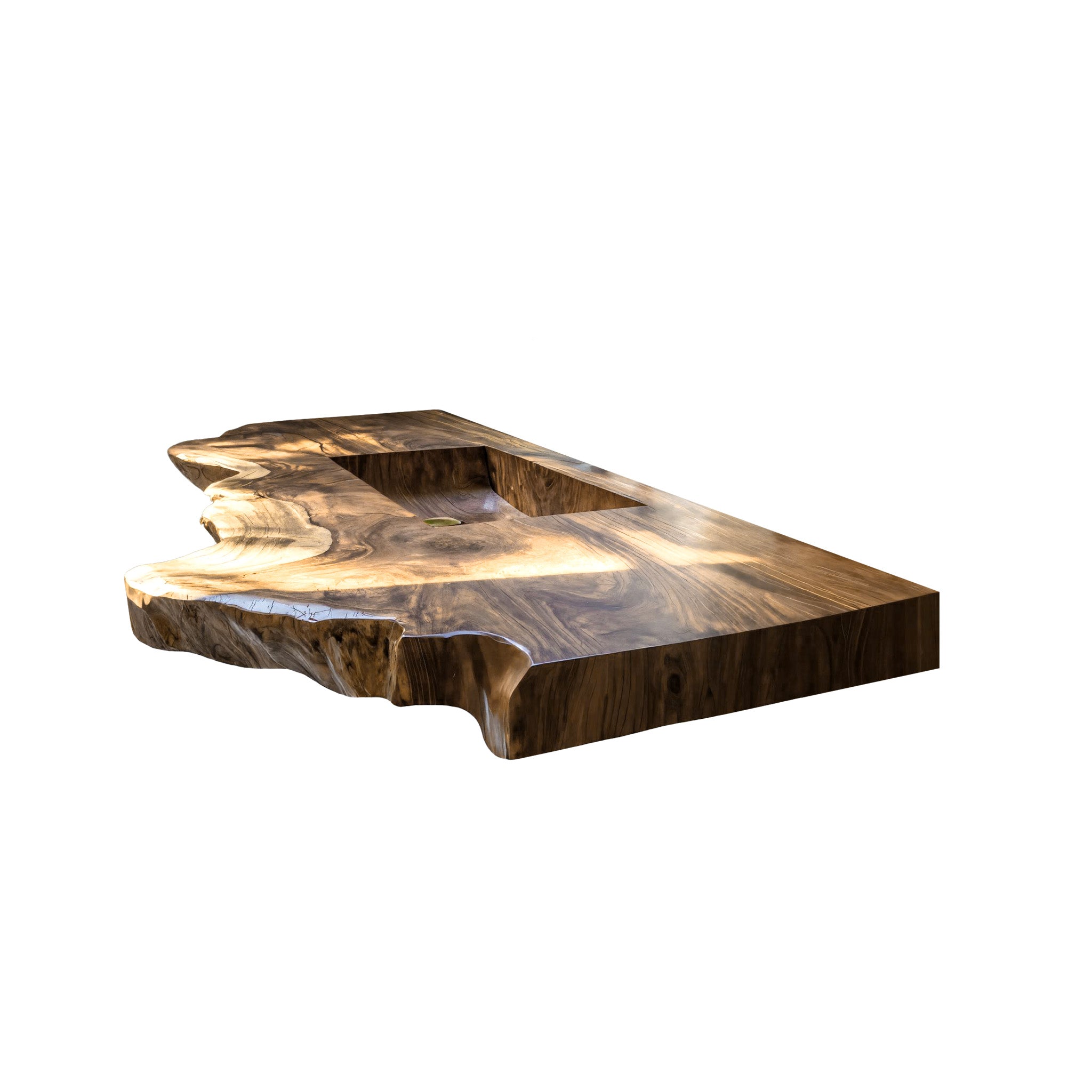
A live edge bathroom vanity offers a striking way to introduce organic character into a sophisticated bathroom. The natural contour of the wood softens the precision of a black vanity and creates a one-of-a-kind focal point. This is an especially compelling option if you want your bathroom vanity to feel artisanal and custom.
A live edge bathroom vanity can take several forms. You might use a live edge slab as a countertop over black cabinetry, or incorporate it as an exposed shelf beneath a black sink console. In a more rustic-modern setting, a live edge wood top with a matte black base can create dramatic contrast while preserving natural warmth.
To keep the look refined rather than overly rugged, pair live edge details with streamlined fixtures, simple tile, and a restrained color palette. The rawness of the wood becomes the feature, while the black foundation lends sophistication and balance.
The right countertop and hardware can completely shape the personality of a black bathroom vanity. White quartz remains one of the most popular choices because it offers crisp contrast and brightens the room. Marble delivers a timeless upscale feel, especially when subtle veining ties together black, white, and warm metal accents. For a more earthy design, travertine or honed limestone can soften the overall palette.
Hardware choices also matter. Matte black hardware creates a seamless, modern appearance, especially on flat-front cabinetry. Brass and unlacquered brass add warmth and a hint of luxury. Brushed nickel suits transitional spaces, while bronze can make the room feel moodier and more traditional.
When selecting hardware, consider the vanity style itself. A custom wood bathroom vanity with black drawer faces may benefit from understated pulls that let the material shine. A more minimal floating vanity may look best with integrated finger pulls or touch-latch drawers for a cleaner profile.
One common concern is that a black bathroom vanity could make the bathroom feel smaller or darker. In reality, the surrounding design choices make all the difference. Balance black with lighter walls, reflective surfaces, and layered lighting. Mirrors, glass shower enclosures, and stone countertops all help bounce light around the room.
Texture is another key element. Wood, linen, zellige tile, fluted details, and natural stone create visual variation that prevents black from feeling flat. Greenery can also bring life to the palette, especially in bathrooms with organic modern or spa-inspired styling.
If you are working with a compact bathroom, consider using black on the vanity alone while keeping walls and flooring light. This approach creates a bold focal point without overwhelming the space. A floating wood bathroom vanity or a vanity with open shelving can also reduce visual heaviness.
A custom vanity is often worth the investment when you want precise dimensions, unique materials, or a highly tailored design. This is particularly relevant if you are combining black finishes with specialty wood elements such as teak, live edge slabs, or integrated open shelving. A custom wood bathroom vanity lets you fine-tune every detail, from drawer depth to sink configuration to stain and paint pairing.
Custom work is also valuable in older homes where walls may be uneven or where standard vanity sizes do not fit well. If your goal is a bathroom vanity that feels architecturally integrated rather than off-the-shelf, customization can elevate the final result substantially.
Because black is such a strong visual choice, precision matters. The right proportions, toe-kick height, counter overhang, and hardware placement all contribute to whether the vanity looks merely trendy or truly sophisticated.
A black bathroom vanity is one of the most effective ways to create a bathroom that feels bold, sophisticated, and enduring. It offers strong contrast, works across multiple design styles, and pairs beautifully with everything from light oak and teak to marble, quartz, and handmade tile. Whether you prefer a japandi bathroom vanity, an organic modern bathroom vanity, a freestanding wood bathroom vanity, a floating wood bathroom vanity, or a live edge bathroom vanity, black provides a versatile and elevated foundation.
The best black vanity designs balance drama with warmth. Natural wood accents, thoughtful lighting, quality materials, and smart storage all help ensure the result feels refined rather than overpowering. If you want your next bathroom vanity to make a memorable statement while remaining timeless, black may be the perfect choice.
By combining a confident color palette with craftsmanship and texture, you can create a bathroom that feels luxurious every day. A well-designed black bathroom vanity does more than hold a sink. It defines the character of the room and turns a functional space into a sophisticated retreat.