Physical Address
304 North Cardinal St.
Dorchester Center, MA 02124
Physical Address
304 North Cardinal St.
Dorchester Center, MA 02124

Explore budget-friendly bathroom vanity concepts that balance style, storage, and durability for cost-conscious remodels.
A well-chosen bathroom vanity can completely change the look, function, and value of a bathroom without forcing you to overspend. For homeowners planning cost-conscious remodels, the vanity is one of the smartest places to focus your budget because it combines style, storage, sink placement, and daily usability in one central piece. The good news is that affordable design does not have to look cheap. With the right materials, finishes, sizing, and installation strategy, you can create a high-end result while keeping costs under control.
Whether you are refreshing a powder room, upgrading a primary bath, or remodeling a shared family bathroom, affordable vanity planning starts with understanding where your money matters most. Cabinet construction, countertop selection, hardware, sink type, and plumbing layout all affect the final cost. By making strategic choices, you can get the look of a premium wood bathroom vanity or a warm natural design aesthetic while staying within a realistic remodel budget.
The vanity is often the visual anchor of the bathroom. It draws attention immediately and influences how organized, spacious, and polished the room feels. A dated vanity can make the entire bathroom seem tired, while a fresh and practical replacement can elevate the room even if you keep the tile, mirror, or lighting largely the same.
For budget remodels, this makes the bathroom vanity a high-impact investment. Instead of tearing out every finish in the room, many homeowners can achieve a dramatic transformation by selecting a better vanity style, adding a new faucet, and coordinating the mirror and lighting. This targeted approach saves labor and material costs while still delivering a strong visual update.
Affordable remodeling starts with a clear spending range. Vanities vary widely in cost depending on size, material quality, and whether they are stock, semi-custom, or custom-built. A budget-minded shopper should not only price the cabinet itself but also include the sink, countertop, faucet, hardware, backsplash, delivery, installation, and any plumbing modifications.
One of the most common mistakes in vanity shopping is falling in love with a cabinet price alone, then discovering the add-ons push the project over budget. For example, a budget-friendly cabinet can become expensive if it requires a custom stone top or major plumbing relocation. In contrast, a modestly priced all-in-one vanity package may include a sink and top, helping you control expenses from the start.
As a practical rule, define three numbers before shopping: your ideal budget, your maximum budget, and your contingency reserve. That reserve matters because bathroom remodels often uncover hidden issues such as water damage, uneven floors, or outdated shutoff valves.
Cost-conscious does not mean limited to bland options. Several vanity styles offer an upscale appearance while remaining accessible at lower price points.
If your goal is a natural, high-design aesthetic, an organic modern bathroom vanity is especially appealing. This style blends simple lines, warm woods, matte finishes, and calm textures. It can be achieved affordably by pairing a streamlined cabinet with natural-toned hardware and a simple quartz or cultured stone top.
Material choice plays a major role in both cost and durability. The most affordable vanity is not always the one with the lowest price tag. In a humid environment like a bathroom, poor material performance can lead to swelling, peeling, or warping, creating replacement costs sooner than expected.
Medium-density fiberboard and other engineered wood products are widely used in lower-cost vanity construction. They can be a smart option when properly sealed and finished. Painted vanities often use these materials because they provide a smooth, consistent surface.
The key is quality. A well-manufactured engineered cabinet with moisture-resistant finishes may outperform a poorly built solid wood unit. Buyers should inspect edge sealing, drawer construction, and the back panel strength.
Plywood offers a stronger and more moisture-resistant step up from basic particleboard while still being more affordable than full hardwood construction. For value-conscious remodels, plywood boxes with solid wood doors often represent one of the best price-to-performance balances.
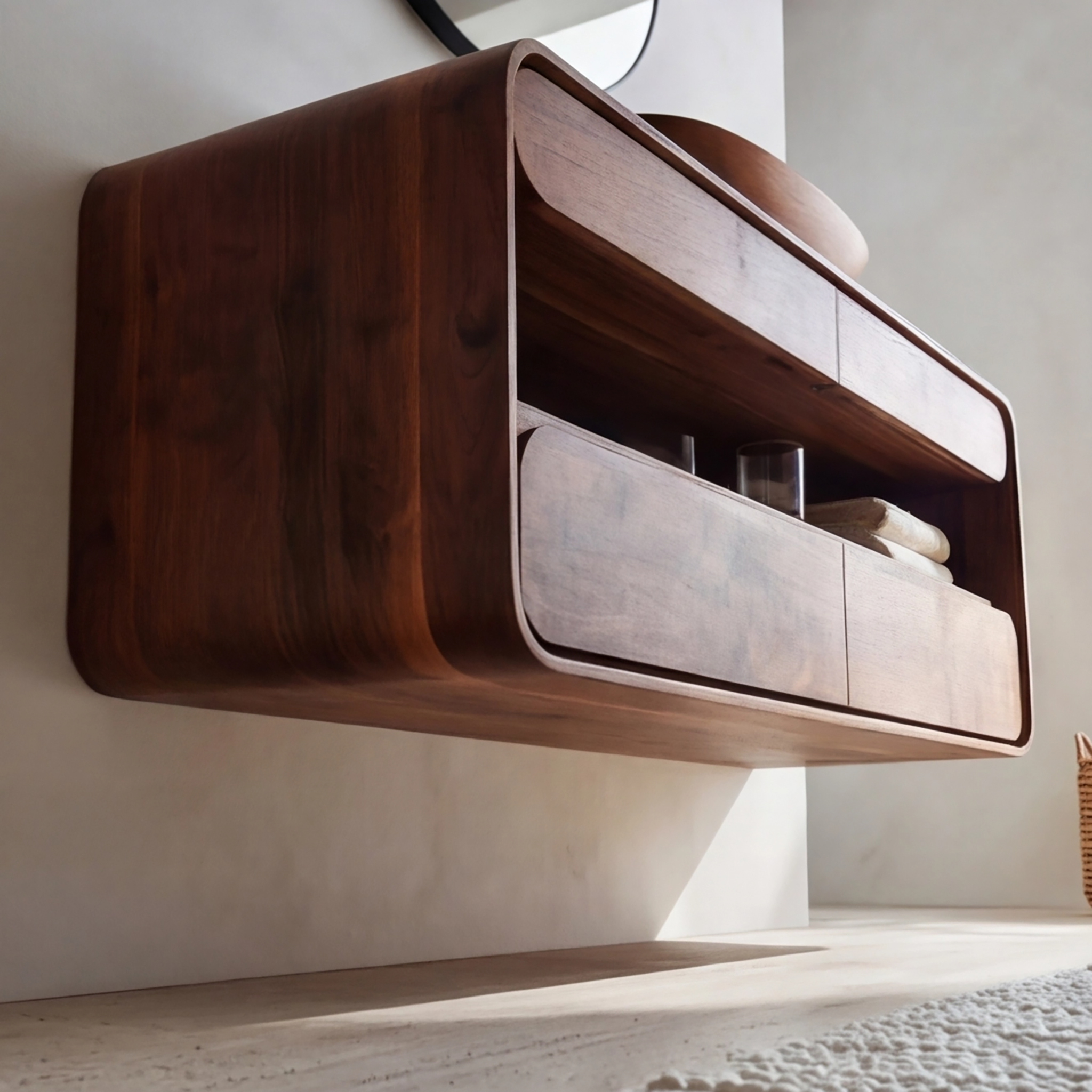
If a full real wood bathroom vanity is outside your budget, consider a vanity with wood veneer or solid wood front details. These options can capture the warmth and character of natural grain without the cost of all-hardwood construction. They also allow you to achieve premium looks such as walnut, oak, or rustic finishes more affordably.
A real wood bathroom vanity has undeniable appeal. Natural grain variation, warmth, and craftsmanship create a richer appearance than many synthetic alternatives. However, fully solid wood construction can raise the budget quickly. To get a similar look while controlling costs, consider these strategies:
This approach works particularly well if you want the character of a rustic wood bathroom vanity or the refined look of a contemporary oak cabinet without paying custom millwork prices.
The white oak bathroom vanity has become a favorite in modern bathroom design because it brings warmth, subtle grain, and versatility. White oak works beautifully in Scandinavian, transitional, coastal, and organic modern spaces. While premium white oak can be expensive in custom work, homeowners can still achieve the look affordably through veneer finishes, stock vanities inspired by white oak tones, or semi-custom options.
To keep costs manageable, pair a white oak-look vanity with a simple white top, brushed nickel or matte black hardware, and a frameless mirror. This creates a clean, designer-inspired bathroom without requiring expensive wall or flooring changes. Light wood tones also help smaller bathrooms appear brighter and more open, making them a practical choice as well as a stylish one.
An organic modern bathroom vanity combines minimalism with natural materials, offering a calm and elevated atmosphere. This trend often appears in luxury homes, but it can be interpreted affordably with a few thoughtful choices.
Start with a simple vanity silhouette in a warm wood finish. Add understated hardware, a neutral countertop, and accessories in stone, ceramic, or woven textures. Soft lighting and an arched or rounded mirror can reinforce the design direction. The beauty of organic modern style is that it does not rely on excessive ornamentation, which actually makes it more budget-friendly to achieve.
Instead of chasing highly customized cabinetry, focus on proportion, texture, and a restrained palette. A stock vanity in oak or walnut tones can feel upscale when the surrounding choices are cohesive and uncluttered.
A double sink wood bathroom vanity can be an excellent investment for shared bathrooms, especially in primary suites where two users need simultaneous access. However, this style naturally costs more because it requires a wider cabinet, an extra sink, more countertop material, and additional plumbing work.
For cost-conscious remodels, the decision should be based on bathroom size and daily routine. If the space is cramped, squeezing in a double vanity can make the room feel tight and reduce functional storage. In that case, a single larger sink with generous counter space may provide a better balance of value and usability.
If you do choose a double sink wood bathroom vanity, control costs by keeping the existing plumbing locations whenever possible. Selecting a standard size rather than custom dimensions can also save substantially. Look for stock vanities in common widths that include sink tops to reduce fabrication expenses.
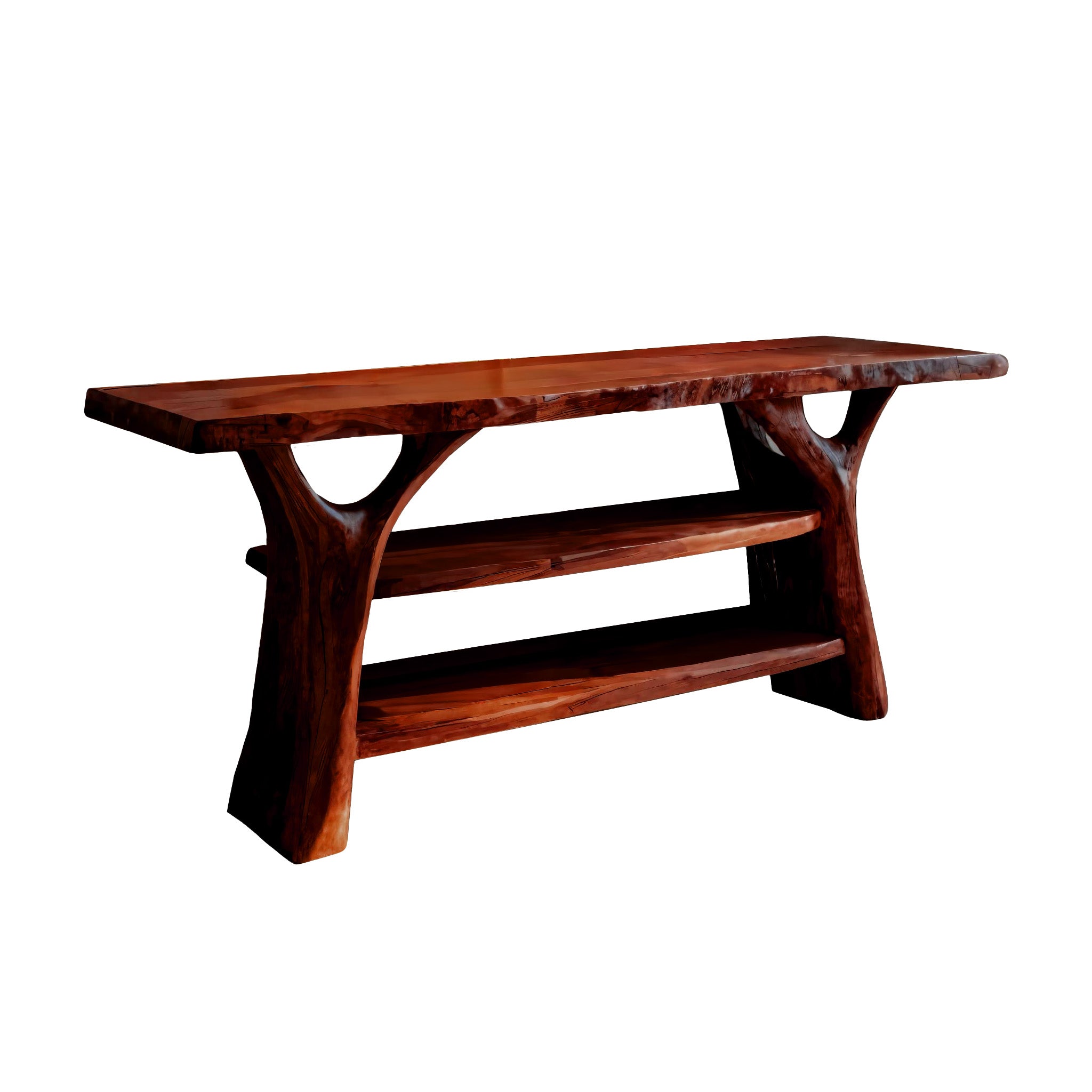
A rustic wood bathroom vanity brings texture, warmth, and personality into the bathroom. This style is especially popular in farmhouse, mountain, cabin, and transitional interiors. Reclaimed or distressed looks can be visually striking, but custom reclaimed wood vanities often command premium prices.
To stay on budget, look for manufactured finishes that mimic weathered oak, aged walnut, or hand-hewn textures. You can also combine a rustic-looking vanity base with modern fixtures for a more updated aesthetic. This contrast helps the room feel intentional rather than overly themed.
Rustic vanities pair well with white vessel sinks, matte black faucets, and simple rectangular mirrors. If you want to strengthen the natural effect, incorporate wood shelving or woven storage baskets nearby rather than investing all of your budget in the vanity alone.
A walnut bathroom vanity is known for its rich color and sophisticated grain, but true walnut cabinetry can be costly. Fortunately, many affordable vanities now offer walnut-inspired finishes that capture the same dark, warm elegance. These options work beautifully in contemporary, mid-century, and organic modern bathrooms.
To maximize the effect, keep the surrounding materials light and simple. A white countertop, soft beige wall color, and clean-lined fixtures allow the vanity finish to stand out. If your budget permits one upgrade, spend it on better hardware or a more refined faucet, as these details can make a lower-cost vanity look significantly more expensive.
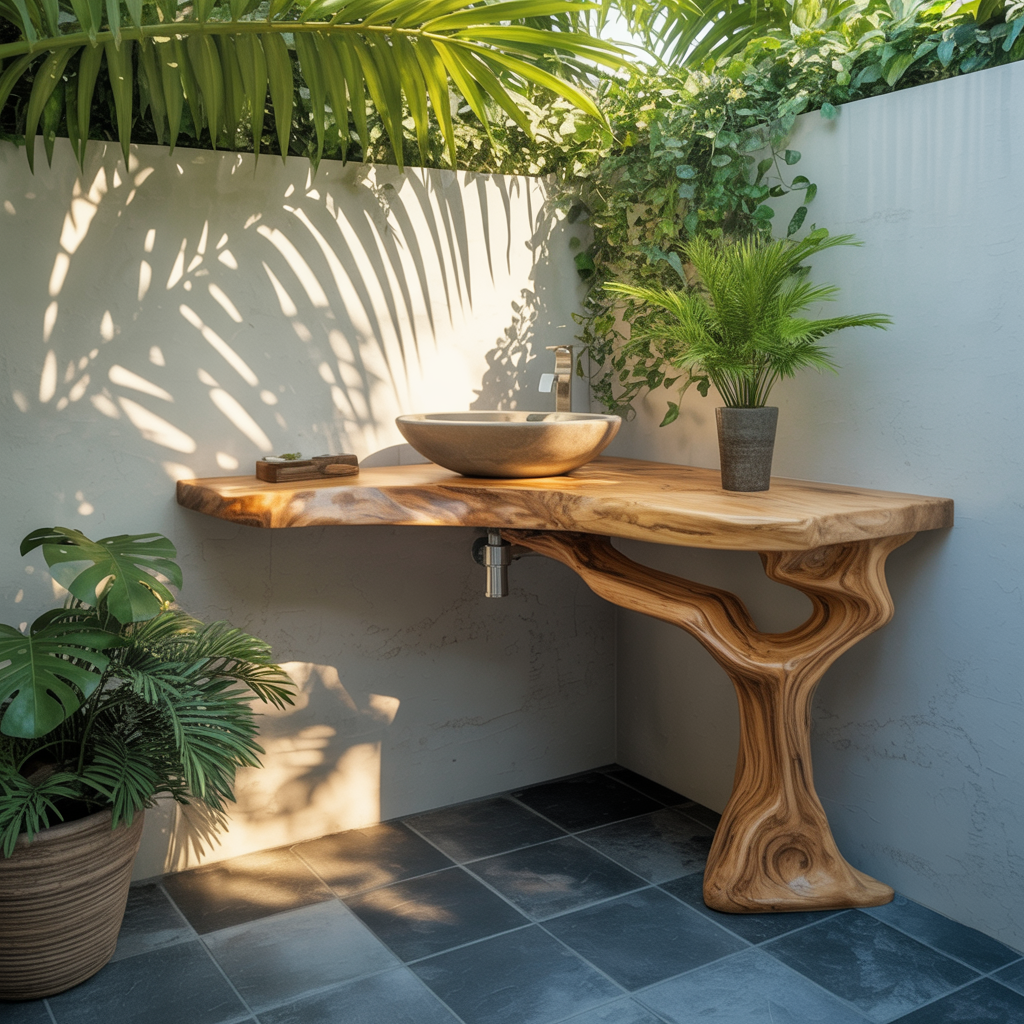
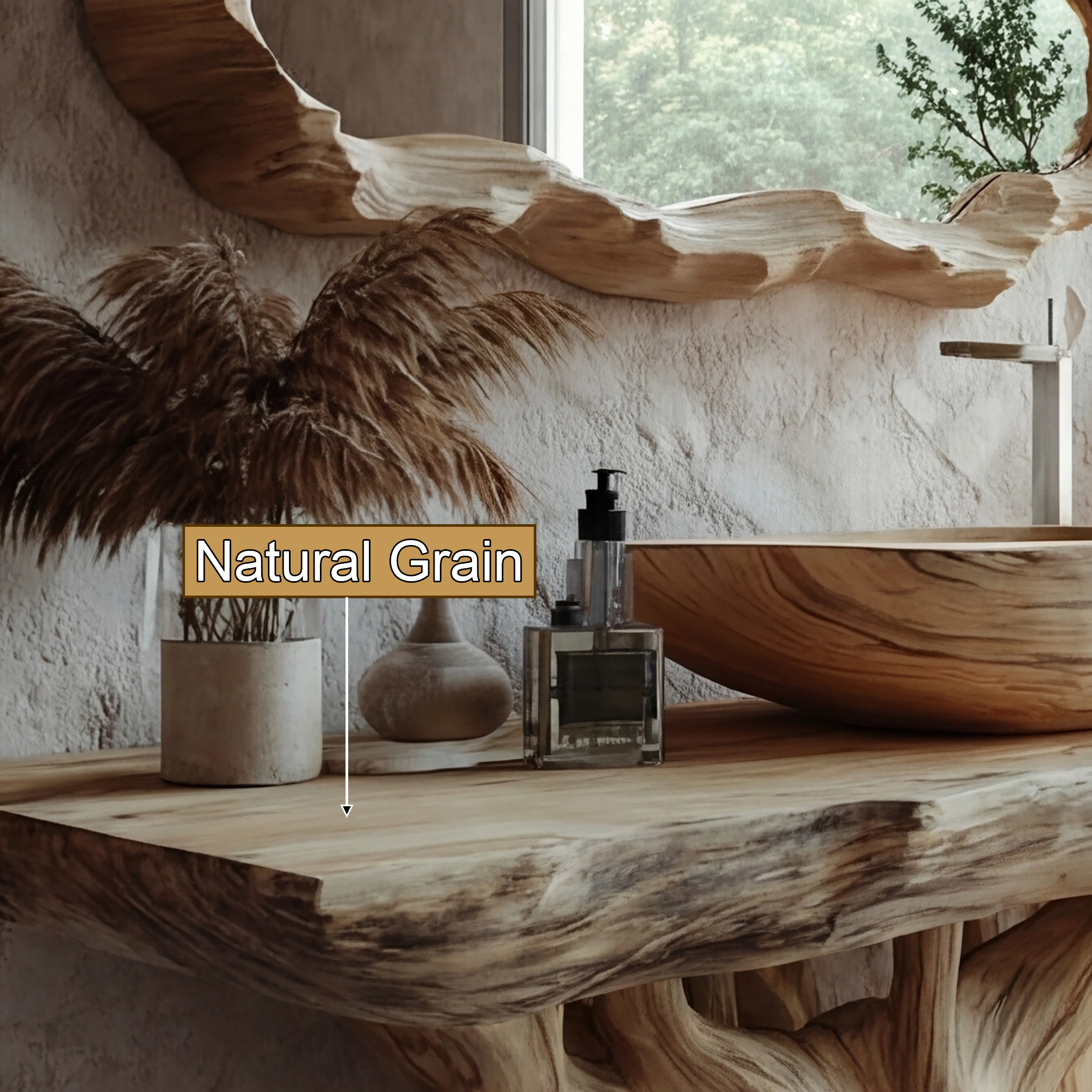
A live edge bathroom vanity creates a distinctive handcrafted feel and can become the centerpiece of the room. True live edge pieces are often custom and therefore expensive, but there are budget-conscious ways to interpret the look. Some homeowners use a live edge slab as a vanity top over a simpler base, while others choose floating shelves or accent counters that echo the natural edge style.
Because live edge is so visually expressive, it works best when balanced by restrained materials elsewhere. A neutral sink, minimal hardware, and simple wall finishes help the organic shape shine. For remodelers seeking a custom look without full custom costs, a smaller powder room can be an ideal place to experiment with this style.
An affordable vanity must fit the room correctly. Oversized vanities can make a bathroom feel crowded, while undersized ones can leave valuable storage and counter space unused. Measure carefully, accounting for door swings, toilet clearance, traffic flow, and drawer access.
In small bathrooms, a floating or open-base vanity may create a greater sense of space. In family bathrooms, deeper drawers and enclosed storage may be more important than visual lightness. Cost-conscious decisions should always support how the bathroom is actually used.
It is also wise to think vertically. If you choose a simpler, smaller vanity to save money, wall-mounted medicine cabinets or shelving can recover storage without requiring a more expensive cabinet footprint.
The countertop can significantly influence both the style and cost of a bathroom vanity. Natural stone is attractive, but it is not always the best value for a budget remodel. Several alternatives provide durability and a clean look at lower cost.
For the broadest affordability and easiest installation, integrated tops can be especially practical. They reduce fabrication complexity and can simplify maintenance by minimizing seams.
The right storage features improve the usefulness of your vanity and reduce bathroom clutter. On a limited budget, prioritize function over novelty. Soft-close drawers are nice, but drawer depth, organization, and access matter more for everyday life.
Consider these practical features:
A modestly priced vanity with smart internal organization can outperform a larger, more expensive one that wastes space.
Installation costs can quietly consume a large portion of the remodel budget. One of the best ways to save money is to keep the vanity in the same location as the previous one. Moving plumbing lines, drains, or electrical outlets adds labor and increases the risk of wall and floor repairs.
Stock sizes are generally less expensive to install than custom units because they arrive ready to fit standard conditions. Freestanding vanities also tend to be easier and faster to install than wall-mounted floating options, which often require additional blocking and precise support work.
If you are replacing only the vanity and top while preserving the flooring and wall finishes, make sure the new dimensions align cleanly with the existing space. Otherwise, hidden gaps or unfinished areas can lead to extra patching costs.
Even a budget-friendly bathroom vanity can look designer-curated with a few upgrades. Small details often create the difference between a basic remodel and a polished one.
If you choose a wood bathroom vanity, emphasizing the natural finish with warm lighting and subtle decor can make the room feel significantly more luxurious than the cabinet price might suggest.
Budget remodels succeed when homeowners avoid a few predictable pitfalls. First, do not prioritize appearance so heavily that you overlook moisture resistance and build quality. Bathrooms are hard-working spaces, and low-grade materials can fail quickly.
Second, avoid buying a vanity without confirming exact dimensions and plumbing compatibility. Returns can be difficult and delays can be costly. Third, be careful with overly trendy designs if you plan to sell your home soon. It is usually smarter to choose a vanity style with broad appeal, such as white oak, walnut tones, Shaker profiles, or clean modern lines.
Finally, remember that the vanity does not exist in isolation. Coordinate it with the mirror, lighting, wall color, and floor tone to create a complete visual story. A mid-priced vanity placed in a well-composed room often looks more expensive than a costly vanity surrounded by mismatched finishes.
The best bathroom vanity for a cost-conscious remodel is one that balances style, durability, storage, and installation simplicity. Affordable design is not about sacrificing quality; it is about spending intentionally. A carefully selected white oak bathroom vanity, a warm walnut-inspired cabinet, a practical double sink wood bathroom vanity, or a character-rich rustic wood bathroom vanity can all deliver beautiful results when chosen with the full project budget in mind.
If you are aiming for a natural and current look, a thoughtfully styled organic modern bathroom vanity can be especially effective. If you prefer authenticity and texture, a real wood bathroom vanity or a well-crafted wood-look alternative may be the right fit. And if you want a bolder statement, accents inspired by a live edge bathroom vanity can add custom charm without requiring a full luxury build.
In the end, the smartest remodels focus on long-term value. By choosing practical materials, keeping plumbing layouts simple, and refining the final look with hardware and lighting, you can create a bathroom that feels elevated, functional, and financially responsible.