Physical Address
304 North Cardinal St.
Dorchester Center, MA 02124
Physical Address
304 North Cardinal St.
Dorchester Center, MA 02124

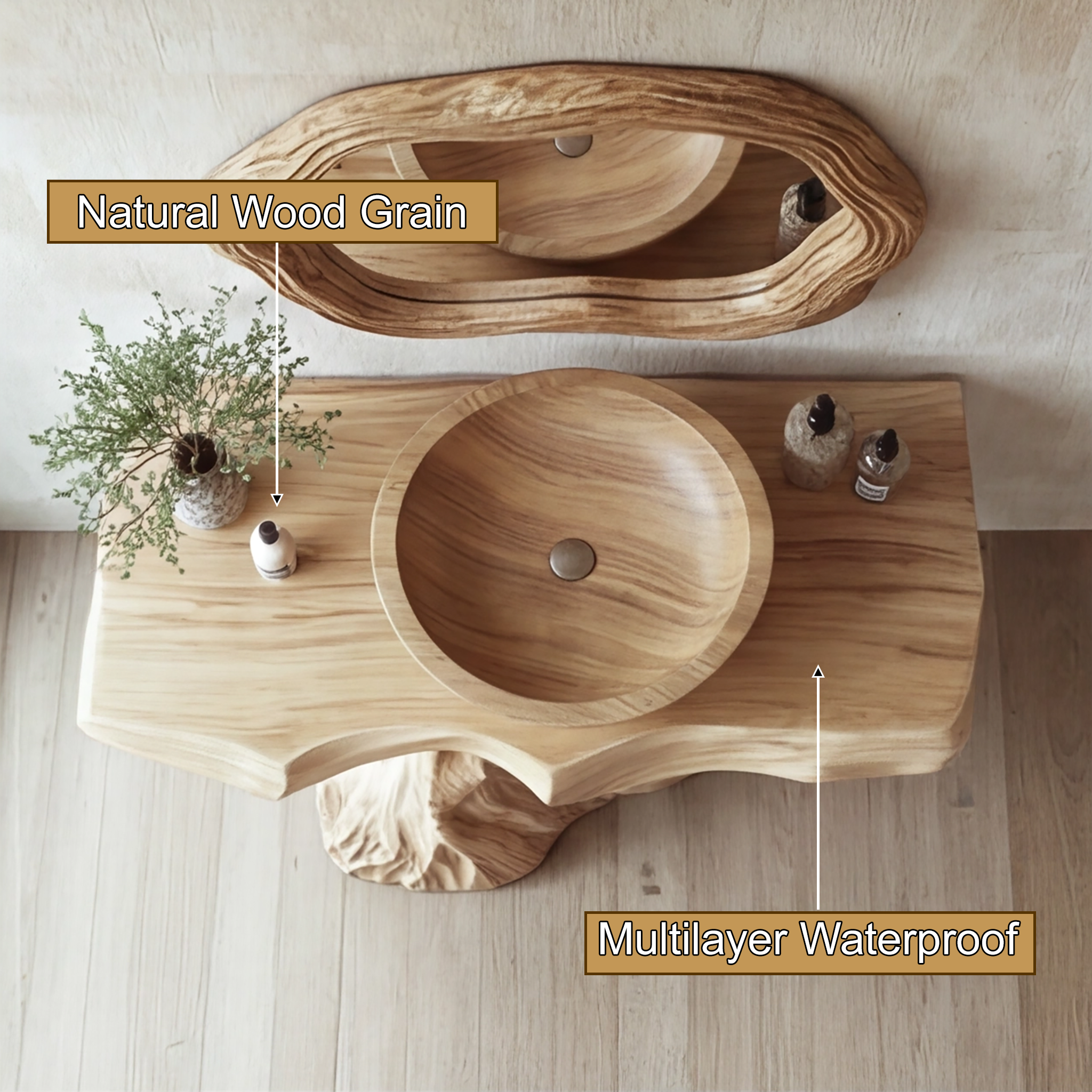
Discover how a white bathroom vanity can elevate classic and modern bathrooms with smart design, durable materials, and timeless appeal.
A well-chosen bathroom vanity does more than hold a sink. It anchors the room, shapes the visual balance, and influences how functional the entire bathroom feels day to day. Among the many finishes available, white remains one of the most versatile and enduring choices. A white vanity can feel crisp and architectural in a contemporary setting, or refined and inviting in a more traditional bath. It also pairs beautifully with a wide spectrum of materials, from marble and brass to matte black hardware and natural wood accents.
If you are planning a remodel or simply updating a tired bath, exploring white bathroom vanity concepts is a smart place to start. The color offers flexibility, brightness, and a clean backdrop for both minimal and decorative interiors. Whether your taste leans classic, transitional, or modern, the right vanity can make the space feel more polished and more practical at the same time.
The popularity of the white bathroom vanity is not a passing trend. White works because it reflects light, creates a sense of cleanliness, and visually expands smaller rooms. In bathrooms with limited natural light, it helps surfaces feel brighter and fresher. In larger spaces, it supports a calm, spa-like atmosphere without competing with tile, mirrors, or statement lighting.
Designers also value white because it adapts to many aesthetics. A shaker-front vanity in painted white can reinforce a classic look, while a slab-front floating vanity in soft white can define a sleek contemporary scheme. White cabinetry also integrates easily with luxury upgrades, making it a strong option if you are investing in a high end bathroom vanity that should remain stylish for years.
Classic bathrooms are rooted in symmetry, proportion, and timeless materials. In these spaces, a white vanity often feels natural because it complements marble tops, porcelain fixtures, and elegant trim details. Traditional vanities commonly feature framed doors, turned legs or furniture-style bases, and polished hardware in finishes such as chrome, polished nickel, or antique brass.
One of the most dependable approaches is a double-sink vanity with shaker or recessed-panel doors. This configuration offers balanced lines and excellent usability for shared bathrooms. Pairing the vanity with a stone countertop, framed mirror, and wall sconces creates a tailored, enduring result. If you want an elevated upgrade, a solid wood bathroom vanity with sink can provide the substance and craftsmanship associated with premium classic interiors.
Classic design does not have to feel heavy. White cabinetry keeps traditional elements from appearing too ornate, especially when paired with pale wall colors and understated tile. The result is graceful rather than formal, making the bathroom feel comfortable and current.
In contemporary bathrooms, white takes on a different character. It becomes cleaner, more graphic, and often more minimal. Flat-panel doors, integrated handles, wall-mounted silhouettes, and thin-profile countertops help define the modern look. A floating white bathroom vanity is especially effective because it opens up floor area and gives the room a streamlined appearance.
To avoid a sterile feel, contemporary spaces often rely on contrast and texture. White vanities pair well with concrete-look tile, black fixtures, ribbed glass lighting, and warm wood shelving. This is where materials such as a walnut bathroom vanity or oak bathroom vanity elsewhere in the room can act as complementary accents, softening the clean lines of white cabinetry. Even a mirror frame, stool, or storage ladder in natural wood can add enough warmth to balance the palette.
For a more curated aesthetic, many homeowners are also drawn to the organic modern bathroom vanity concept. This style blends modern simplicity with tactile, natural finishes. A white vanity becomes the clean foundation, while stone, limewash tones, and wood details bring depth and character.
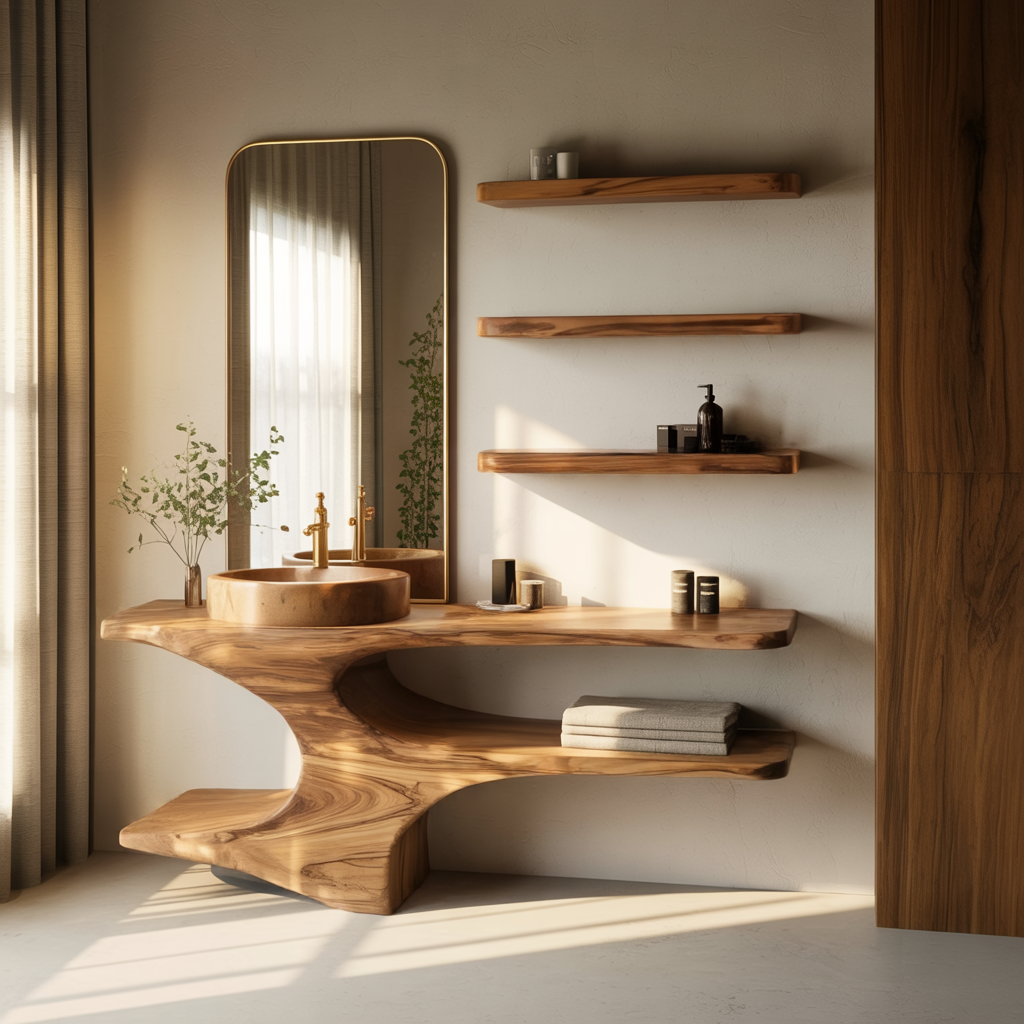
A vanity should never be selected on looks alone. Bathrooms experience humidity, daily use, and frequent cleaning, so construction quality matters. If longevity is a top priority, look for durable joinery, moisture-resistant finishes, and dependable countertop materials. A real wood bathroom vanity offers excellent strength and visual richness, particularly when built with high-quality hardwood and properly sealed surfaces.
White painted vanities can be manufactured from several materials, including solid wood, plywood, or engineered wood. Premium options often combine hardwood face frames with plywood boxes for improved stability. This matters because bathroom conditions can cause low-quality materials to swell or warp over time. A carefully built wood bathroom vanity finished in white paint can deliver both classic beauty and long-term performance.
If you appreciate natural grain but still want a bright overall design, consider mixing white with timber elements. A vanity may feature a white body and a stained drawer bank, or white cabinet fronts paired with open shelving in oak or walnut. These combinations bridge classic and modern styles with ease.
The countertop and sink selection strongly influence how the vanity is perceived. White marble or quartz creates a seamless, luxurious look that suits both traditional and contemporary bathrooms. Marble introduces soft veining and a sense of heritage, while quartz offers easier maintenance and consistent coloring.
For a stronger contrast, a white bathroom vanity can be topped with darker stone in charcoal, soapstone-inspired quartz, or even a warm travertine slab for a more design-forward statement. Undermount sinks remain the most versatile choice because they are easy to clean and visually refined. Vessel sinks can work in contemporary spaces, but they require thoughtful faucet placement and enough counter area to feel practical.
Integrated sinks are another strong option in modern bathrooms, especially when pursuing a minimalist look. They maintain uninterrupted lines and support effortless cleaning, which can be valuable in busy family homes.
Because white is neutral, hardware becomes especially important. In a classic bathroom, polished nickel, chrome, or aged brass often feel most appropriate. These finishes reinforce a timeless mood and coordinate well with traditional lighting and mirror frames. In modern settings, matte black and brushed brass are popular choices because they deliver crisp contrast against white cabinetry.
Hardware shape also matters. Knobs and cup pulls suggest a more traditional sensibility, while linear bar pulls or edge pulls align with contemporary design. If you want the vanity to feel understated, choose hardware in a finish close to nearby fixtures to create visual continuity.
Do not overlook the faucet. A vanity can appear dramatically different depending on whether you choose a bridge faucet, widespread faucet, or streamlined single-handle design. The best combinations feel intentional rather than overly matched.
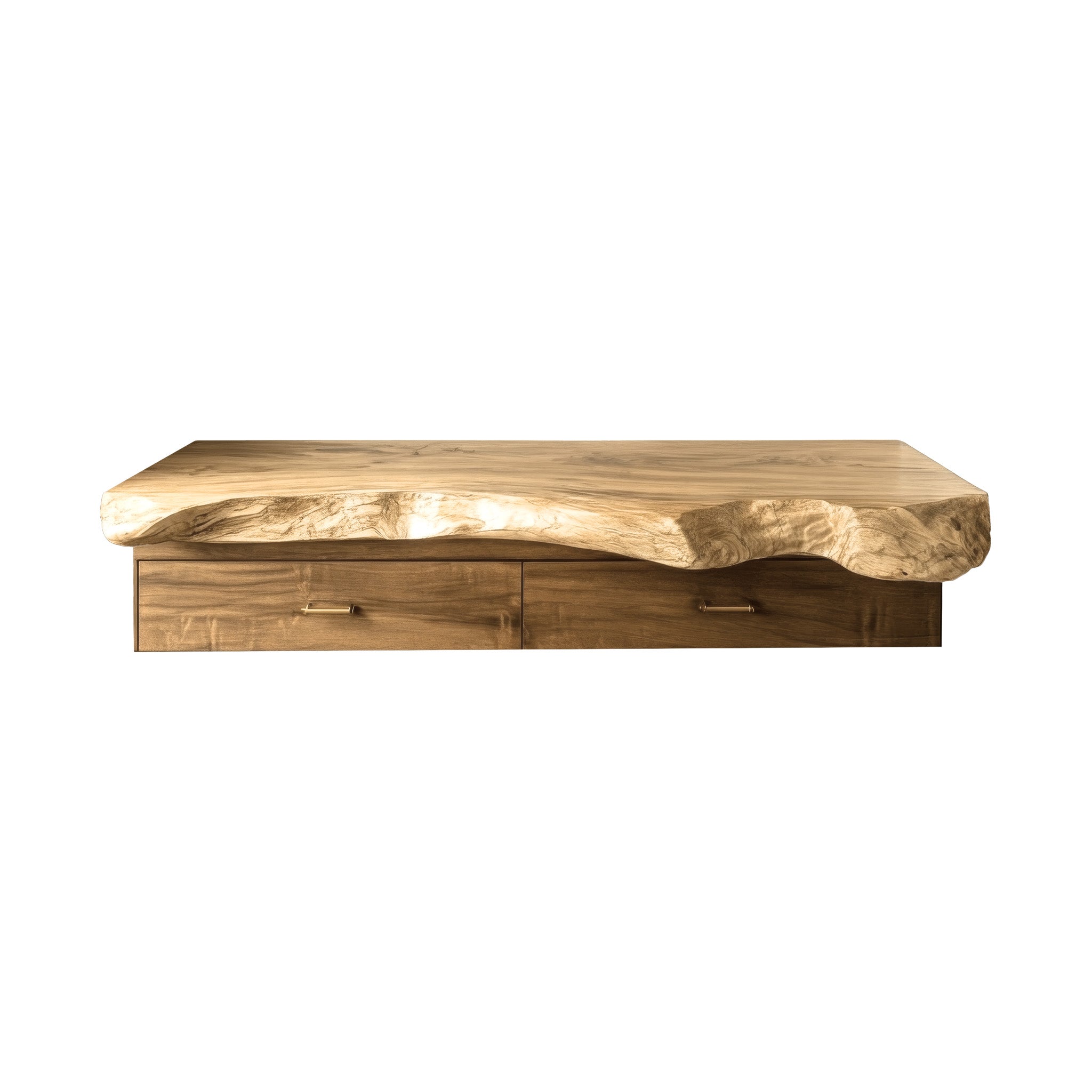
One of the most compelling ways to enrich a white bathroom vanity is by layering in wood tones. This creates a grounded, inviting atmosphere and helps the room feel less flat. A nearby oak bathroom vanity in another bath may inspire a similar warm palette, while a walnut bathroom vanity can suggest deeper, more dramatic tones for mirrors or shelving in the white-vanity space.
Even if the primary vanity is white, accents in teak, oak, or walnut can add dimension. A teak bathroom vanity style influence can be introduced through a bath stool, slatted storage bench, or framed medicine cabinet. These details work especially well in spa-inspired bathrooms where natural materials help soften cool surfaces such as tile and stone.
The key is balance. Too many contrasting finishes can make the room feel fragmented. Select one dominant wood tone and repeat it in two or three places for cohesion.
A beautiful vanity is only successful if it serves your daily routine. Before choosing a style, think carefully about storage. Drawers are often more efficient than deep cabinets because they provide better visibility and easier access to grooming tools, cosmetics, and backup supplies. In shared bathrooms, drawer dividers and designated zones can make a major difference in usability.
For compact powder rooms, a narrow vanity with one or two drawers may be sufficient. In larger primary baths, double vanities with a combination of drawers, doors, and open shelving tend to work best. If the room lacks a linen closet, consider a taller furniture-style vanity or supplement with built-in cabinetry nearby.
Floating vanities look modern and airy, but they may offer slightly less enclosed storage than full-base models. If storage is a top priority, compare internal layouts as closely as you compare finish samples.
Small bathrooms benefit greatly from white because it makes the footprint feel more open. A compact white bathroom vanity paired with a light countertop and large mirror can visually enlarge the room. Wall-mounted designs are particularly effective in tight spaces because they reveal more floor area and promote a less crowded look.
If possible, choose drawers over a single under-sink cabinet in small baths. Better organization prevents the countertop from becoming cluttered, which is essential when square footage is limited. Integrated lighting, mirrored storage, and pale wall colors will further support the bright, spacious effect.
To keep a small bathroom from feeling too plain, add texture through zellige tile, fluted fronts, woven accessories, or subtle natural wood details. These elements preserve the airy feel while adding personality.
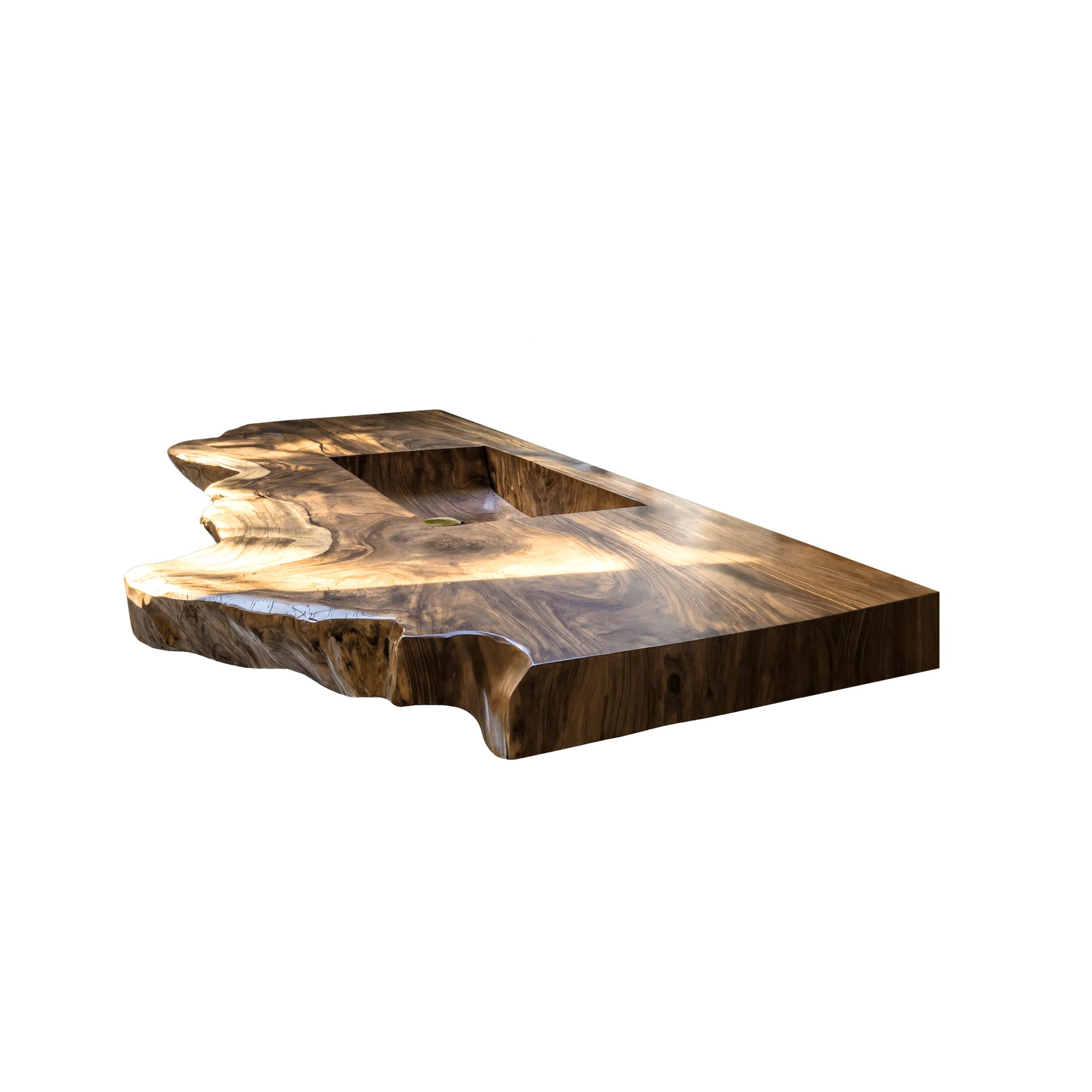
A white vanity is also an excellent choice for upscale spaces. In a luxury bathroom, it allows premium materials to stand out without overwhelming the room. Think thick stone countertops, custom mirrors, designer sconces, and expertly detailed millwork. A high end bathroom vanity in white often features superior paint finishes, soft-close hardware, custom storage inserts, and furniture-grade craftsmanship.
Luxury does not always mean ornate. Some of the most sophisticated bathrooms feature very restrained white vanities paired with exceptional materials and exacting proportions. Others embrace decorative flourishes, such as reeded panels, curved corners, inset doors, or brass inlays. In either case, the white finish contributes to a sense of refinement and permanence.
If you want to combine luxury with warmth, a hybrid design can be ideal: white cabinetry paired with a real wood bathroom vanity style detail such as walnut drawers, oak shelving, or teak accessories. This layered approach feels tailored and expensive without appearing excessive.
White bathroom vanities are relatively easy to maintain, but they do show dirt, splashes, and product residue more readily than darker finishes. Wipe surfaces regularly with a soft cloth and a cleaner appropriate for the cabinet finish. Avoid harsh abrasives that can dull paint or damage protective coatings.
Ventilation is equally important. Use a quality exhaust fan to reduce moisture buildup, which protects both painted and natural wood components. Quickly dry standing water around faucets and sink edges to preserve the finish and prevent long-term wear.
If your vanity includes natural wood elements, such as a shelf inspired by a wood bathroom vanity or accents referencing an organic modern bathroom vanity, make sure those pieces are properly sealed for bathroom conditions. Good maintenance extends not only the look of the vanity but also its structural integrity.
The best white vanity is the one that reflects your lifestyle as much as your taste. For classic bathrooms, prioritize balanced proportions, traditional door profiles, and timeless materials. For contemporary spaces, focus on clean lines, integrated storage, and subtle contrast. For a more natural, calming aesthetic, blend white cabinetry with warm timber tones and tactile finishes.
Whether you are drawn to the clean sophistication of modern design or the enduring appeal of traditional details, a white bathroom vanity remains one of the smartest investments you can make. It is adaptable, elegant, and highly functional. With the right construction, countertop, hardware, and styling choices, it can unify the room and support daily use for years to come.
From bright powder rooms to luxurious primary suites, white vanity concepts continue to prove their versatility. If you want a design direction that can bridge classic and contemporary spaces while leaving room for wood accents like walnut, oak, or teak, white is hard to surpass. It is timeless without being predictable, and practical without sacrificing style.
