Physical Address
304 North Cardinal St.
Dorchester Center, MA 02124
Physical Address
304 North Cardinal St.
Dorchester Center, MA 02124

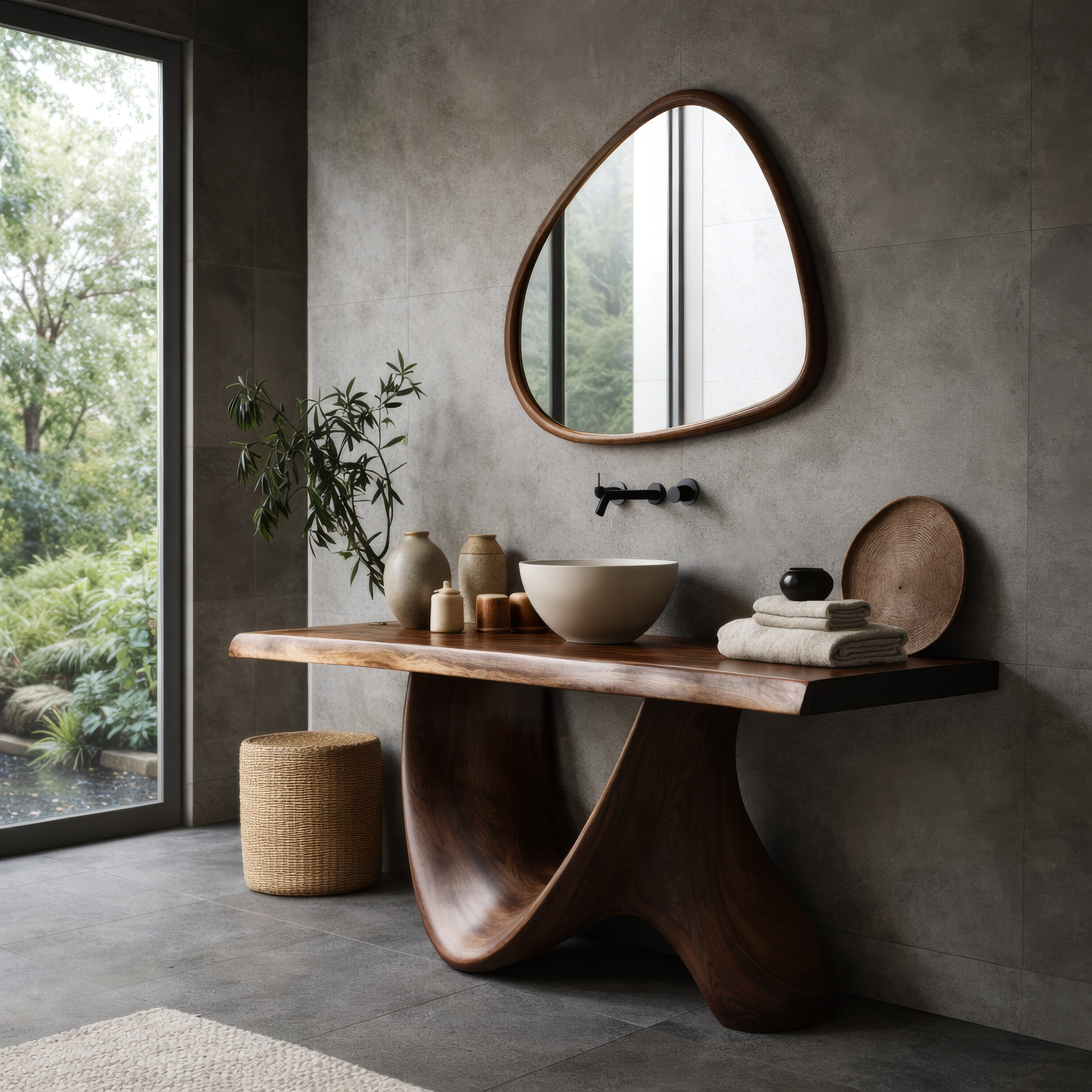
Explore expert white bathroom vanity ideas that enhance brightness, improve visual space, and pair beautifully with wood, stone, and modern finishes.
A well-designed bathroom vanity does more than hold a sink and store toiletries. It acts as a visual anchor, influences how light moves through the room, and shapes the overall mood of the space. If your goal is to create a bathroom that feels airy, polished, and welcoming, white vanity finishes are among the most effective design choices available. They bounce both natural and artificial light around the room, soften shadows, and help compact bathrooms feel larger.
From sleek contemporary layouts to warm organic interiors, a white vanity can adapt to nearly any style. It also pairs beautifully with wood accents, stone countertops, brushed metal hardware, and textured tile. Whether you are planning a full renovation or simply upgrading one focal piece, the right vanity can transform the bathroom into a brighter and more functional retreat.
White surfaces have a high light reflectance value, meaning they naturally bounce illumination back into the room rather than absorbing it. In bathrooms, where square footage is often limited and lighting conditions can vary throughout the day, that quality matters. A white bathroom vanity helps amplify overhead lighting, mirror lighting, and window light, making the entire room feel cleaner and more open.
Glossy and satin finishes can further enhance that effect. A soft satin white adds subtle luminosity without showing every fingerprint, while high-gloss lacquer delivers a more dramatic reflective quality. Matte white remains popular as well, especially in minimalist or spa-inspired bathrooms where understated elegance matters more than shine.
Wall-mounted vanities visually free up floor space, which helps light travel farther across the room. This is one of the smartest choices for small bathrooms or powder rooms. A floating white bathroom vanity with integrated drawers creates a streamlined silhouette while allowing flooring to remain visible, giving the illusion of a larger footprint.
To emphasize brightness, pair the vanity with a large frameless mirror and under-cabinet lighting. This layered approach creates both ambient glow and practical task illumination.
For a cohesive and highly reflective look, combine white vanity cabinetry with a white or lightly veined quartz top. Quartz is durable, low maintenance, and available in bright finishes that enhance a crisp, polished aesthetic. This combination works especially well in modern bathrooms where clean lines and minimal visual interruption are key.
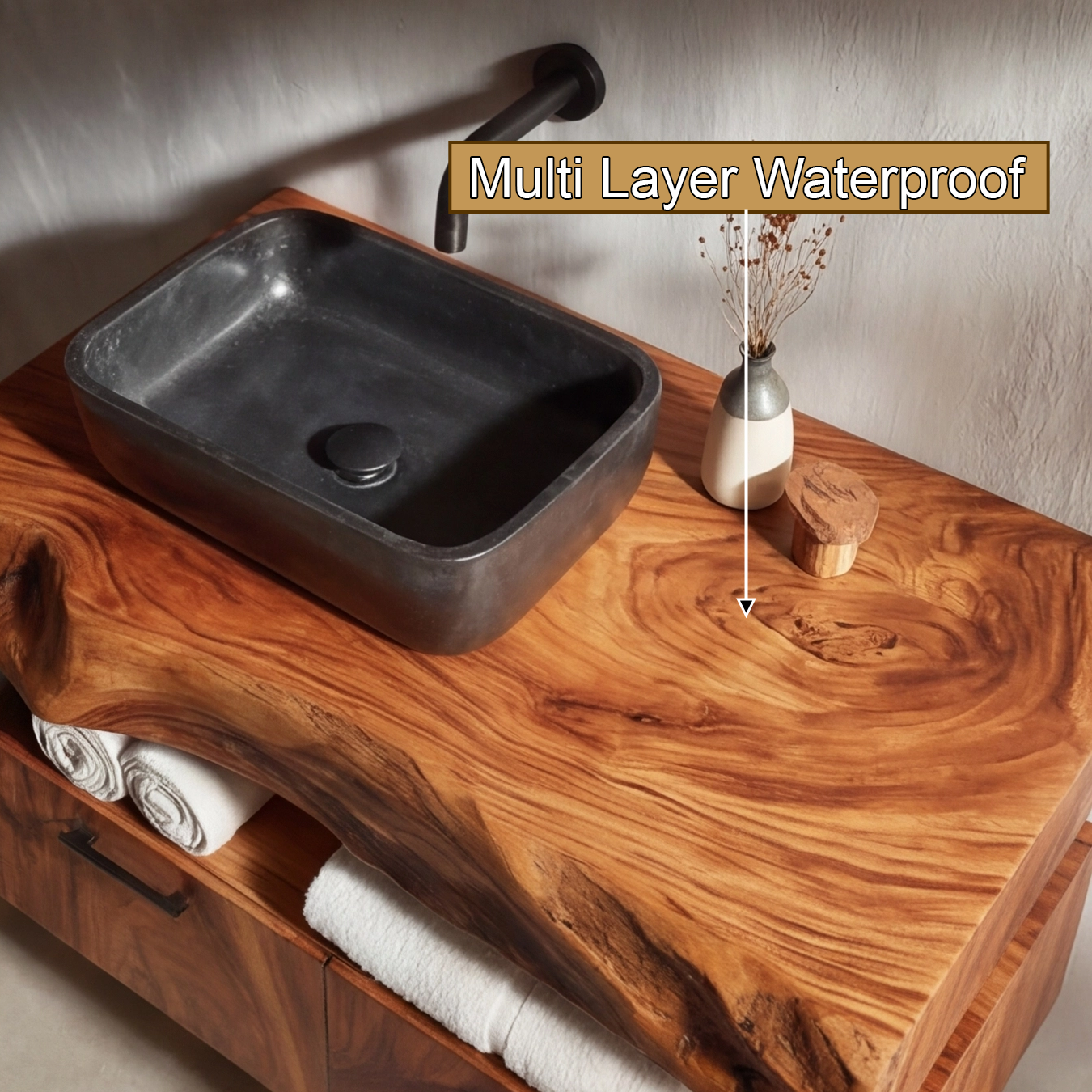
If you want depth without sacrificing light reflection, choose quartz with subtle gray veining. The soft contrast introduces movement while preserving the bright effect.
A fully white bathroom can sometimes feel too clinical if not balanced thoughtfully. One elegant solution is to introduce natural wood accents, especially a white oak bathroom vanity component such as drawer fronts, side panels, shelving, or a mirror frame. White oak offers a light, organic tone that complements white beautifully without darkening the room.
This blend is especially effective in Scandinavian and Japandi-inspired interiors. It creates a calming atmosphere while maintaining the reflective benefits of white surfaces. A japandi bathroom vanity look often combines minimalist white finishes with soft-grain oak, black accents, and handmade textures for a serene result.
The hardware you choose can subtly reinforce how much light your vanity reflects. Polished nickel, chrome, and even unlacquered brass can catch and scatter light, adding sparkle to a white vanity installation. Long linear pulls can emphasize width, while small round knobs create a more traditional or transitional effect.
If your bathroom lacks natural daylight, reflective hardware becomes even more useful because it helps bounce artificial light from sconces and ceiling fixtures.
If you prefer furniture-inspired design, a freestanding wood bathroom vanity painted or finished in white can combine classic presence with brightening power. Freestanding silhouettes often bring more character than floating models, making them ideal for primary bathrooms or traditional homes.
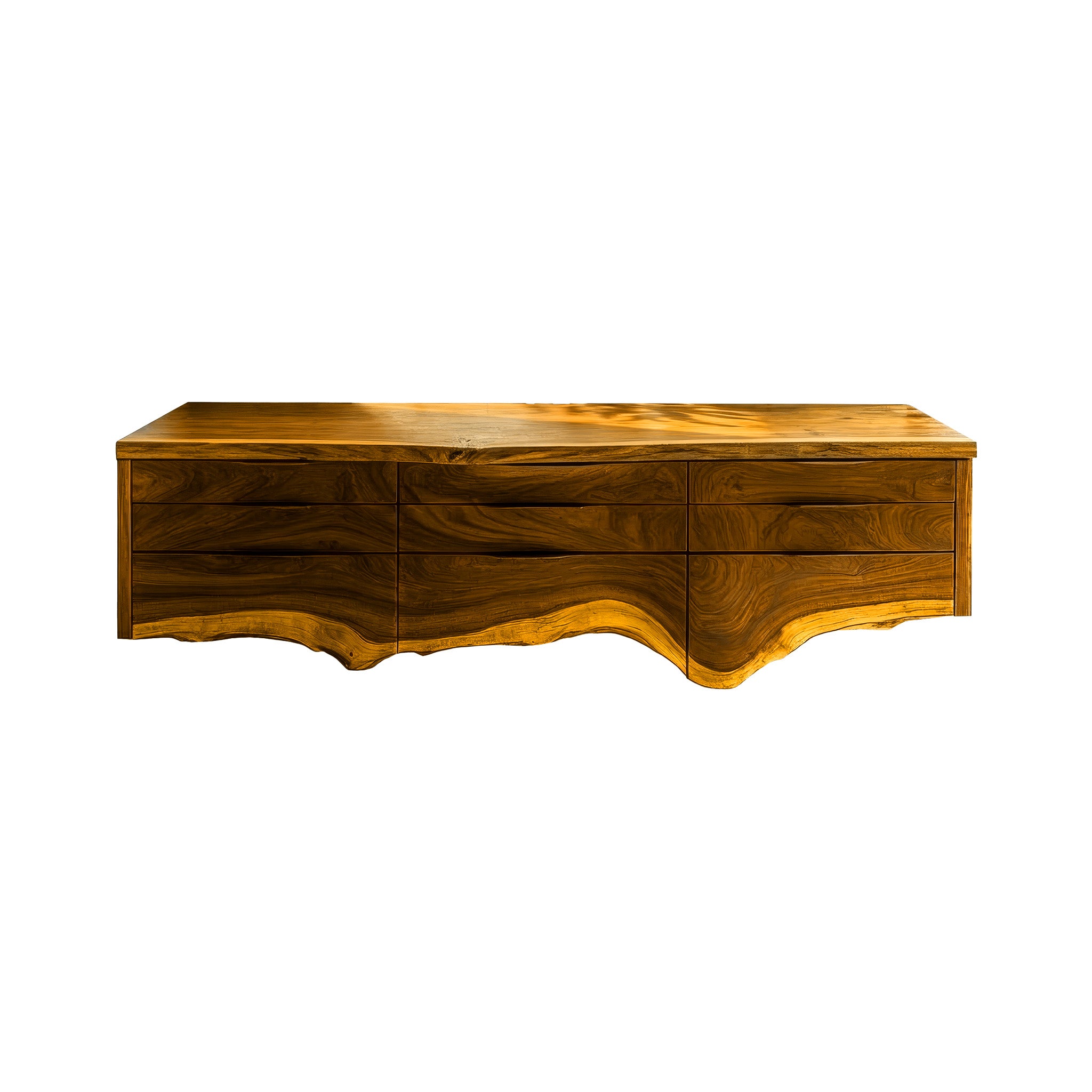
Look for legs or open lower rails that create a lighter visual profile. Bulky toe-kick bases can sometimes feel heavier, while elevated freestanding designs allow more light and shadow play beneath the cabinet.
A modern wood bathroom vanity with white fronts and flat-panel doors creates a clean, uncluttered appearance. Pair it with slab backsplashes, integrated sinks, and thin-edge countertops for a gallery-like finish. In this style, every detail matters, so prioritize precision, symmetry, and restrained color.
The japandi bathroom vanity trend continues to grow because it balances warmth and simplicity so effectively. Here, white vanity surfaces work alongside pale wood, tactile ceramics, and muted earthy accents. The result is bright yet grounded, with a focus on wellness and intentional design.
For homeowners who want timeless appeal, transitional white vanities with shaker doors remain a reliable choice. They reflect light effectively while allowing flexibility with tile, wall color, and fixtures. Add marble-look quartz and elegant sconces to create a refined but approachable atmosphere.
A bright vanity does not have to look generic. In fact, a custom bathroom vanity can be one of the best investments for both functionality and aesthetics. Custom sizing allows you to optimize awkward layouts, improve storage, and align the vanity perfectly with mirrors, lighting, and architectural features.
A custom wood bathroom vanity can be finished in painted white while retaining high-quality construction and bespoke detailing. Think drawer organizers, hidden outlets, linen towers, toe-kick lighting, or furniture-style molding. These upgrades can elevate the room beyond standard builder-grade design.
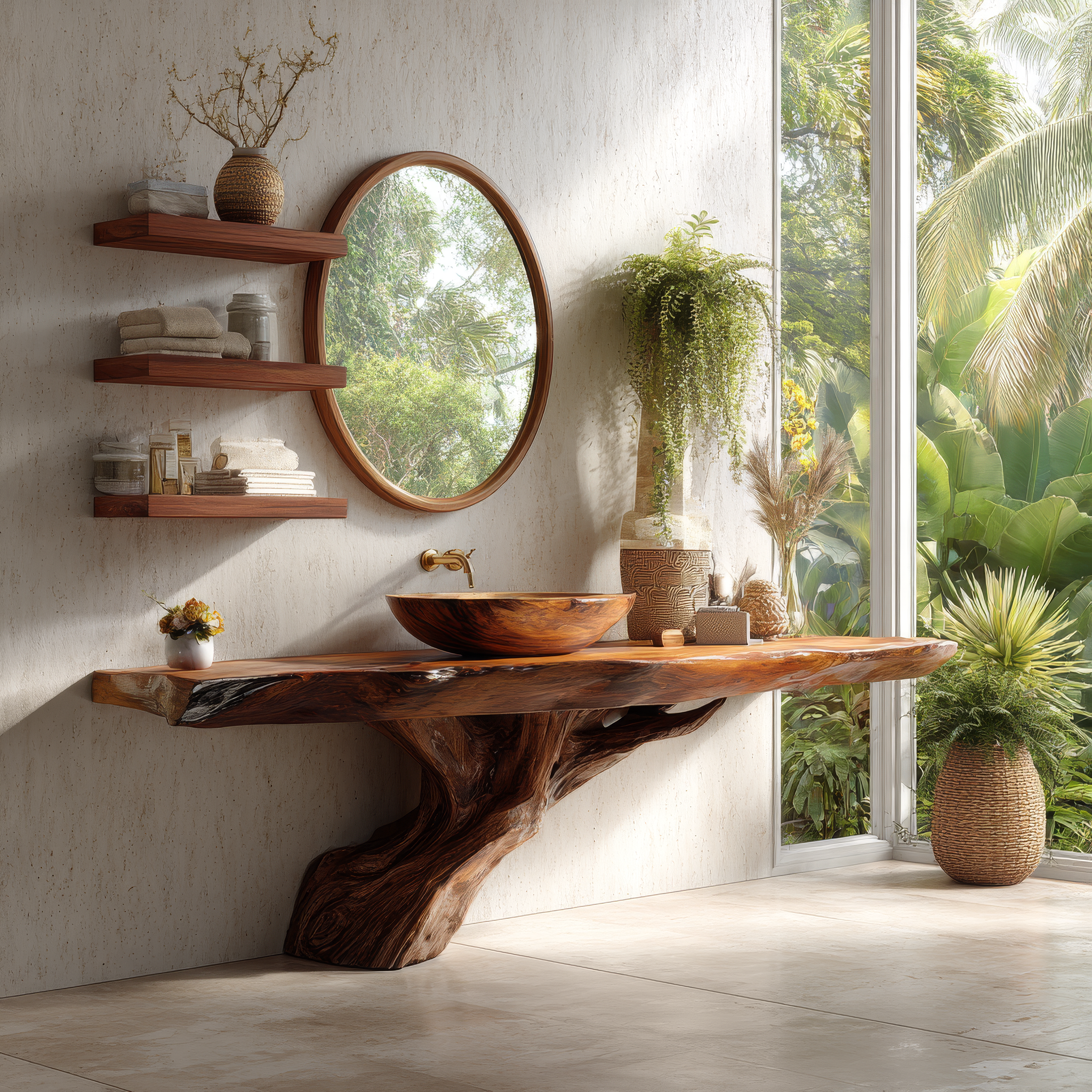
If space is limited, a single sink wood bathroom vanity in white may offer the ideal balance of compactness and storage. For larger bathrooms, a double vanity with individualized drawer banks can improve function for shared use while maintaining a bright, elegant presence.
Beauty alone is not enough. A successful bathroom vanity should also support daily routines. White finishes tend to look best when surfaces stay uncluttered, so practical storage is essential. Deep drawers can hold hair tools and backup supplies, while divided organizers keep small items from creating visual mess. Pull-out trays, vertical compartments, and hidden bins also help preserve a clean look.
If your vanity includes open shelving, use coordinated baskets or neatly folded towels in light neutral shades. This keeps the styling intentional and prevents storage from appearing chaotic.
A white vanity is an excellent choice for homeowners who want a bathroom that feels clean, spacious, and timeless. It is particularly effective in small bathrooms, windowless layouts, guest baths, and homes preparing for resale. Because white is so versatile, it also works well for people who like to refresh decor seasonally through towels, hardware, paint, or accessories rather than replacing major fixtures.
If you appreciate natural textures, you do not need to choose between brightness and warmth. Combining white cabinetry with oak elements, especially a white oak bathroom vanity detail or wood-framed mirror, creates a layered design that feels elevated and enduring.
White vanity design remains popular for good reason. It reflects light beautifully, supports a broad range of aesthetics, and helps bathrooms feel more open and inviting. Whether you choose a floating silhouette, a freestanding wood bathroom vanity, or a fully custom bathroom vanity, the key is to balance reflective surfaces with warmth, storage, and thoughtful lighting.
For the most sophisticated result, consider mixing white finishes with natural wood, especially in a modern wood bathroom vanity or japandi bathroom vanity concept. That combination delivers both brightness and character, allowing your bathroom to feel serene, practical, and visually expansive for years to come.
